- +86 13931792766
- تسانغتشو، مقاطعة خبي، الصين
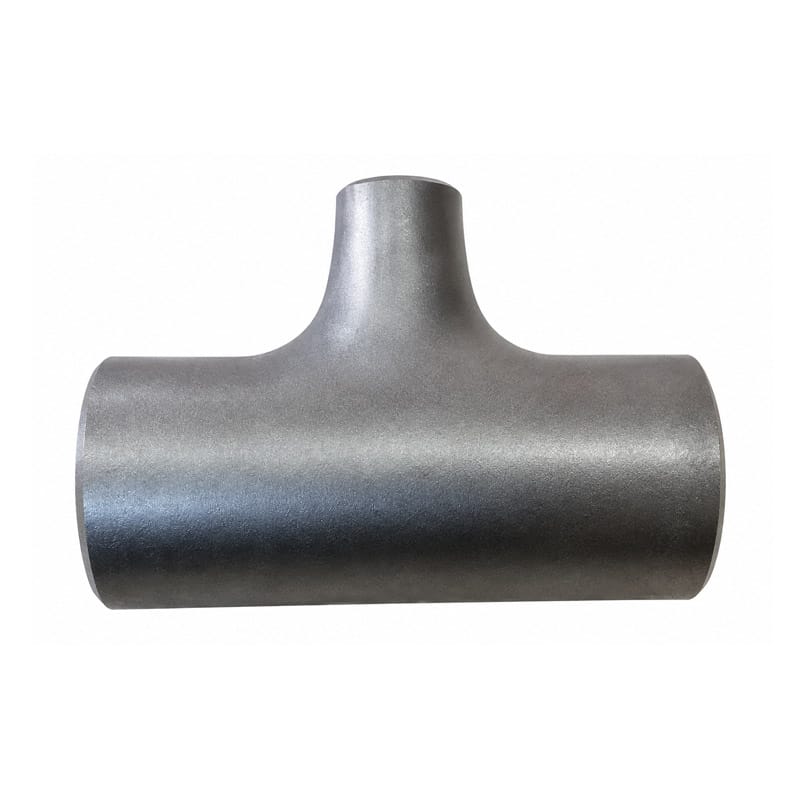
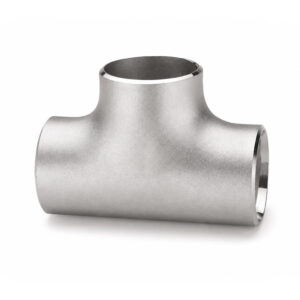
Butt-weld tees with a branch outlet diameter smaller than or different from the main pipe diameter achieve a change in pipe size while forming the branch. They are widely used for flow splitting or merging in petrochemical, power generation, district heating, and industrial pressure piping systems.
Manufactured with advanced CNC equipment and proven processes, our flanges, pipe bends, and fittings deliver accurate dimensions, stable sealing performance, and dependable installation across demanding industrial applications.
Standards: GB/T 12459-2025, GB/T 13401-2025; ASME B16.9-2024 applies to export projects.
Configuration/Dimensions: Reducing tee; specify run pipe ends × branch outlet size, wall thickness for each end, and center-to-end dimensions; ASME B16.9 covers NPS 1/2–48 (DN15–1200), with wall thickness specified according to the connected piping Schedule (Sch) or design thickness.
Connection: Butt-weld; bevel type and root face dimensions to be confirmed based on welding procedures and project specifications.
Material: Carbon steel, stainless steel, or alloy steel; material grade, seamless/welded construction, heat treatment, and non-destructive testing (NDT) requirements must be clearly specified at the time of inquiry.
Pressure Rating: Butt-weld fittings are generally not assigned a specific “Class” rating; pressure-bearing capacity is determined by a combination of material, wall thickness, temperature, and applicable piping design codes.
Ordering/Acceptance: Confirm NPS/DN, port sizes, wall thickness/Schedule, dimensional configuration, seamless/welded construction, material grade, heat treatment, bevel details, and NDT requirements; pressure-bearing capacity of butt-weld fittings is verified based on material, wall thickness, temperature, and piping design codes.