- +86 13931792766
- Cangzhou, Hebei Province, China
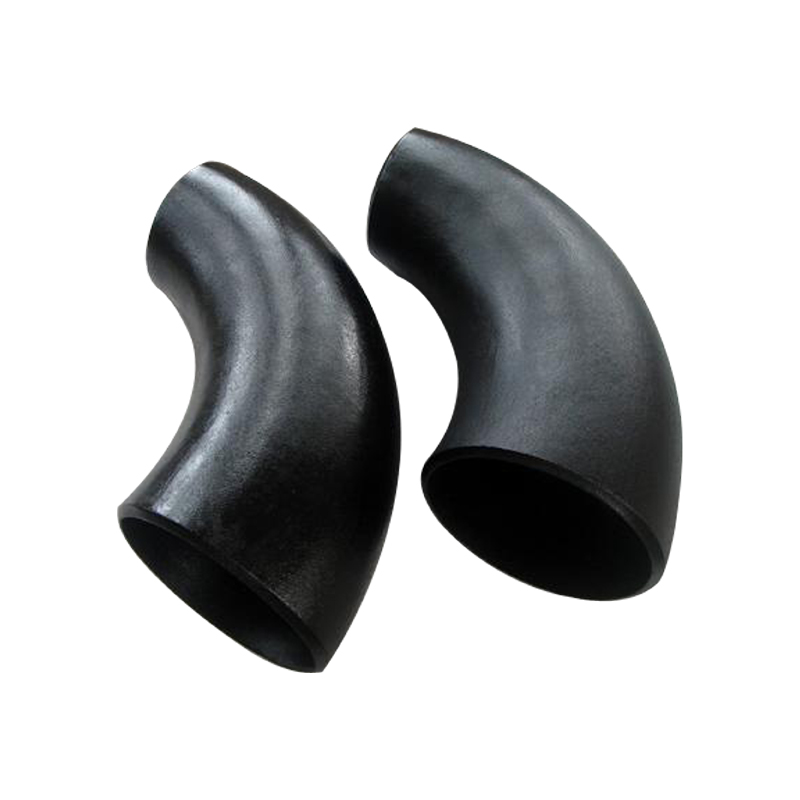
A special steel elbow that transitions the pipe diameter while changing the flow direction can eliminate the need for a reducer and one field weld. Due to the wide variety of size combinations, these are typically designed and manufactured according to approved drawings or manufacturer standards.
Manufactured with advanced CNC equipment and proven processes, our flanges, pipe bends, and fittings deliver accurate dimensions, stable sealing performance, and dependable installation across demanding industrial applications.
Reference Standards: Materials, manufacturing, inspection, and general tolerances comply with GB/T 13401-2025 or ASME B16.9-2024; non-standard dimensions for reducing elbows must adhere to approved drawings.
Configuration: 90° or other angles; specify large-end × small-end diameters, bending radius, wall thicknesses at both ends, and center-to-end dimensions.
Connection: Butt-weld; end bevels must match the connecting pipes.
Materials: Carbon steel, stainless steel, or alloy steel; material specifications are selected based on the medium and design temperature/pressure conditions.
Pressure Rating: Requires verification of the reducing transition, wall thinning in the bend zone, and wall thicknesses at both ends; flange pressure classes cannot be directly applied.
Ordering/Acceptance: Confirm NPS/DN, port diameters, wall thickness/Schedule, dimensional details, seamless vs. welded construction, material grade, heat treatment, bevel configuration, and non-destructive testing (NDT) requirements; the pressure rating of butt-weld fittings is determined based on material, wall thickness, temperature, and piping design codes.