Table des matières
This review of swage nipple RFQ checklist helps industrial buyers prepare a quotation request that identifies every physical interface and the full document scope. For a swage nipple, the defining interface is a compact size transition with individually specified end configurations. The review should establish whether each end of the compact transition has been specified independently. A familiar name or a convenient catalogue image cannot settle that decision without the connected-part information and the required evidence.
This guide develops an RFQ line with a controlled drawing and an explicit list of supplier exclusions. It addresses the product and the purchase decision separately, so a proposed alternative can be evaluated before fabrication or shipment. Numerical acceptance values must come from the project-approved drawings and applicable requirements. The worked purchasing situation below is illustrative and does not describe a reported customer project.
Comprendre l'interface du mamelon de swage
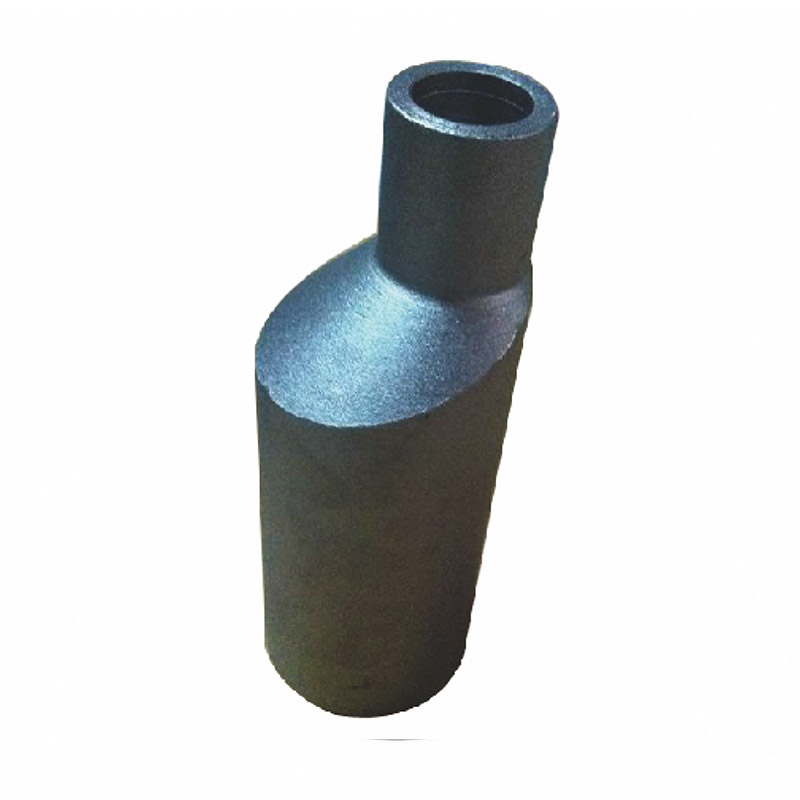
L'examen physique commence par une transition de taille compacte avec des configurations d'extrémité spécifiées individuellement Un mamelon compact à sertir ne doit pas être évalué comme un réducteur ordinaire à souder bout à bout sans comparer les conditions finales et la base de produit applicable La distinction à retenir dans la discussion technique est un mamelon à sertir avec des extrémités mixtes par rapport à un réducteur conventionnel Cela affecte les questions posées au fournisseur et les informations dont le fabricant a besoin Gardez la description du composant connectée à la configuration réelle du tuyau ou de l'équipement plutôt que d'évaluer la pièce comme un objet isolé.
Les variantes de produits répertoriées incluent le tuyau à col. Sélectionnez la configuration exacte et les exigences matérielles de la commande plutôt que de traiter chaque variante comme interchangeable. Voir le Informations sur le produit Swage Nipple pour le contexte du produit répertorié, et confirmez la configuration ordonnée exacte dans la citation et le dessin acceptés La disponibilité du catalogue et une spécification approuvée par le projet sont des éléments de preuve distincts.
Define the decision for swage nipple RFQ checklist
Write the purchase description in the same order for each supplier: product configuration, connected sizes, end details, material, applicable product basis, quantity and evidence requirements. Identify the drawing revision beside the order line. A response that says standard supply should be expanded until the buyer can identify the actual proposed configuration. Keep unanswered questions separate from agreed requirements, and require deviations to be stated against the original line.
For this component, organise the review around four concrete inputs: large-end and small-end sizes; concentric or eccentric form; overall length; threaded, beveled or plain condition at each end. Their importance is specific to the interface described above. Ask the responsible owner to confirm each input or identify the document that controls it. If a requirement is absent, state what remains unknown and how it affects prepare a quotation request that identifies every physical interface and the full document scope; do not allow an empty field to become an assumed approval.
A decision worksheet for swage nipple RFQ checklist
La feuille de travail applique cet examen au mamelon de sertissage Utilisez les exigences du projet pour les valeurs d'acceptation ; les entrées identifient ce qui doit être résolu plutôt que de prescrire des limites dimensionnelles ou de pression.
| Élément d'examen | Preuve ou décision requise | Propriétaire à confirmer |
|---|---|---|
| Tailles de grande et de petite extrémité | Which interface values are confirmed by the buyer? | Ingénierie et fournisseur |
| Forme concentrique ou excentrique | Which proposed details require supplier confirmation? | Propriétaire et inspecteur de dessin |
| Longueur hors tout | What must be included in the quoted document and inspection scope? | Examinateur de matériel et fournisseur |
| Fileté, biseauté ou uni à chaque extrémité | Which interface values are confirmed by the buyer? | Fabricant et ingénierie |
| Objectif technique | An RFQ line with a controlled drawing and an explicit list of supplier exclusions | Acheteur et ingénierie |
| Arrangement alternatif | Un mamelon de sertissage aux extrémités mixtes par rapport à un réducteur conventionnel | Propriétaire technique agréé |
Work through a packed export consignment
Consider an illustrative situation involving swage nipple: parts are ready for shipment but the receiving team needs clear package-to-document references. The immediate response is to check protection, segregation and the packing index against the accepted identities before shipment is released. In this case, start with overall length and check its relationship to threaded, beveled or plain condition at each end. That pair of inputs establishes a concrete review point instead of a general request for a better-quality product.
The useful outcome is a consignment that can be reconciled at receipt without guessing which records belong to each part. For RFQ checklist, the record should also produce an RFQ line with a controlled drawing and an explicit list of supplier exclusions. Identify the owner of the remaining technical decision and the document that will capture it. If an alternative affects large-end and small-end sizes, have the engineering team review that interface before commercial acceptance. The scenario illustrates a decision process; it is not a claim that a particular failure or project result has occurred.

Questions that resolve swage nipple RFQ checklist
Before comparing price, reconcile the supplier’s description with the inquiry one field at a time. Confirm whether protection, marking, certificates, inspection attendance and delivery documents are included. A quoted lead time needs a defined start point, such as technical approval or order confirmation, so it can be compared meaningfully. Release the order only after the technical assumptions have named owners and accepted dispositions.
Three questions close this review: Which interface values are confirmed by the buyer? Which proposed details require supplier confirmation? What must be included in the quoted document and inspection scope? Relate the answers to large-end and small-end sizes and threaded, beveled or plain condition at each end, and retain the accepted references with the component identity.
Hand over the accepted interface to the fabricator
Transfer the controlled drawing, material identity, end requirements and approved deviations to the team that will incorporate the component into the piping. A commercial description alone usually cannot support fit-up and inspection. State which checks were completed by the supplier and which remain in the fabrication scope. If the arrangement changes, review the affected interfaces before work proceeds. Retain the accepted records with the component so traceability and technical context do not disappear when parts leave stores.
Review the installed envelope as well as the component
Component dimensions need to be checked against the space the part will occupy. Nearby valves, supports, insulation and equipment can restrict fit, tool access and removal. Ask the piping team to identify dimensions that control the arrangement and distinguish them from dimensions recorded only for component manufacture. For replacement work, compare the installed condition with the available drawing. A compliant component is still a poor purchasing outcome if the inquiry never described the required space or the mating interface that determines whether it can be installed.
Keep rating designations within their correct product basis
A designation such as Class or PN belongs to a defined system and should not be read as a universal working pressure. Check the relevant material, temperature and component requirements together. Different fitting and flange families may use different rating approaches. Where the inquiry contains several connection methods, identify the applicable basis for each one. The responsible engineer should disposition any uncertainty rather than let a buyer infer suitability from a familiar number in a catalogue.
Prevent unit conversions from creating a second specification
Confirm the controlling unit system on the drawing and purchase description. Converted values shown for convenience should not silently become independent acceptance requirements. Keep the required precision and tolerance reference visible, and resolve conflicts through the project document hierarchy. Do not round a dimension simply to make a table look tidy when that value controls a physical interface. At inspection, record the actual unit and measurement basis so the supplier and receiving team compare the same requirement.
Keep the technical baseline under revision control
A purchase can contain the right component description and still fail if different teams use different drawing revisions. Record the accepted revision beside the order line and identify the documents that supersede earlier versions. When a design change arrives, review its effect on parts already manufactured, inspection already completed and interfaces already fabricated. Obtain a disposition for each affected item rather than assume the change only applies to future production. Keep the final accepted baseline available to receiving and site personnel, who need a definite requirement rather than a correspondence history to interpret.
Separate internal duty from external exposure
The process inside a connection and the environment outside it can create different material and protection requirements. Record both when preparing the engineering input. Cleaning fluids, wet insulation, marine atmosphere or contact with other materials may need review even when the normal process description appears simple. The buyer should not choose a grade from a broad industry label. Have the responsible engineer establish the material basis, then ask the supplier to quote and document that specific requirement with any supplementary protection or examination conditions.
Prepare the swage nipple RFQ checklist handover
Parcourir les listés Raccords de tuyaux ou envoyez des dessins pour revue de personnalisation. Include the accepted drawing revision and an RFQ line with a controlled drawing and an explicit list of supplier exclusions. The quotation should identify the exact supplied configuration and remaining engineering decisions.
Vérifiez le référence des standards de l'éditeur avec l'ingénieur de projet avant de sélectionner la portée et l'édition applicables Une page de référence n'établit pas de manière indépendante l'adéquation ou la certification du composant commandé.
Use the form below to send your swage nipple inquiry with quantity, delivery destination, drawing revision and the information for swage nipple RFQ checklist. Include large-end and small-end sizes; concentric or eccentric form; overall length; threaded, beveled or plain condition at each end and identify any requirements still awaiting engineering confirmation. This allows the proposed product and document scope to be reviewed against the same purchasing basis.
Foire aux questions
What is the first step in swage nipple RFQ checklist?
Start with large-end and small-end sizes and the actual mating arrangement. Define the review objective: prepare a quotation request that identifies every physical interface and the full document scope. Keep missing information visible until its responsible owner confirms it.
Quelles preuves l’enquête sur le mamelon d’écrasement devrait-elle demander ?
Request the accepted drawing and the records needed for an RFQ line with a controlled drawing and an explicit list of supplier exclusions. Link the evidence to the ordered material and item identity, and define any inspection or witness scope before manufacture.
Pourquoi la forme concentrique ou excentrique nécessite-t-elle une vérification distincte ?
Il contrôle une partie spécifique de l'interface : une transition de taille compacte avec des configurations d'extrémité spécifiées individuellement Un nom de produit familier ne peut pas établir toutes les exigences connectées Enregistrer le dessin ou la spécification applicable et obtenir l'approbation des différences proposées.
Un mamelon de sertissage à extrémités mixtes par rapport à un réducteur conventionnel peut-il être traité comme équivalent ?
Ce n'est qu'après examen et acceptation des différences techniques pertinentes Un mamelon compact à sertir ne doit pas être proposé comme réducteur ordinaire à souder bout à bout sans comparer les conditions finales et la base de produit applicable Conserver toute alternative acceptée dans la ligne de base d'achat et d'inspection.
When is the RFQ checklist review ready for handover?
When the defined inputs, evidence and approvals support whether each end of the compact transition has been specified independently. Retain open conditions explicitly and transfer an RFQ line with a controlled drawing and an explicit list of supplier exclusions to the team responsible for the next stage.