- +86 13931792766
- Cangzhou, province du Hebei, Chine
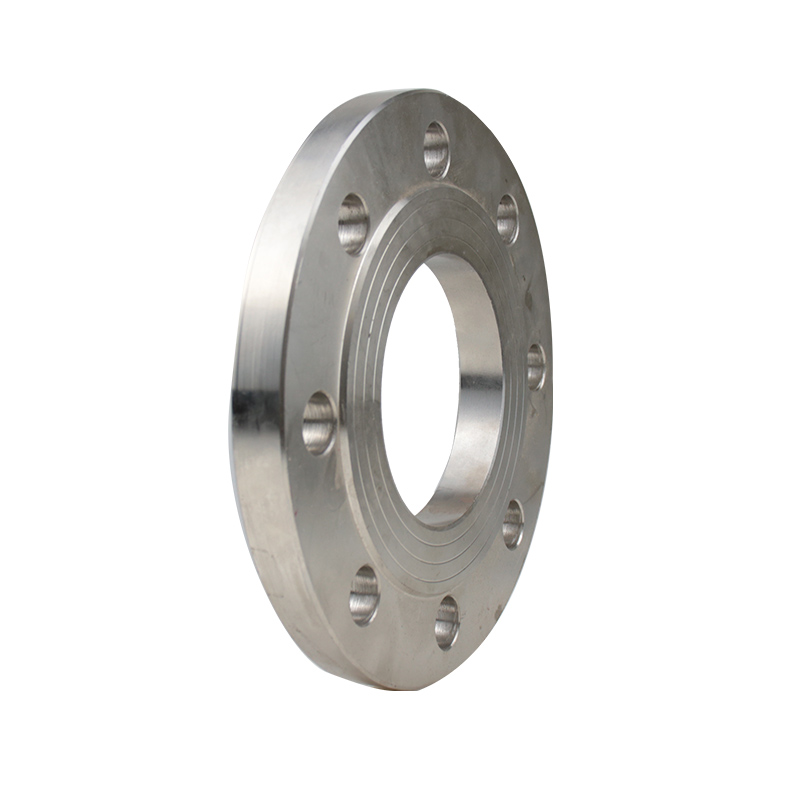
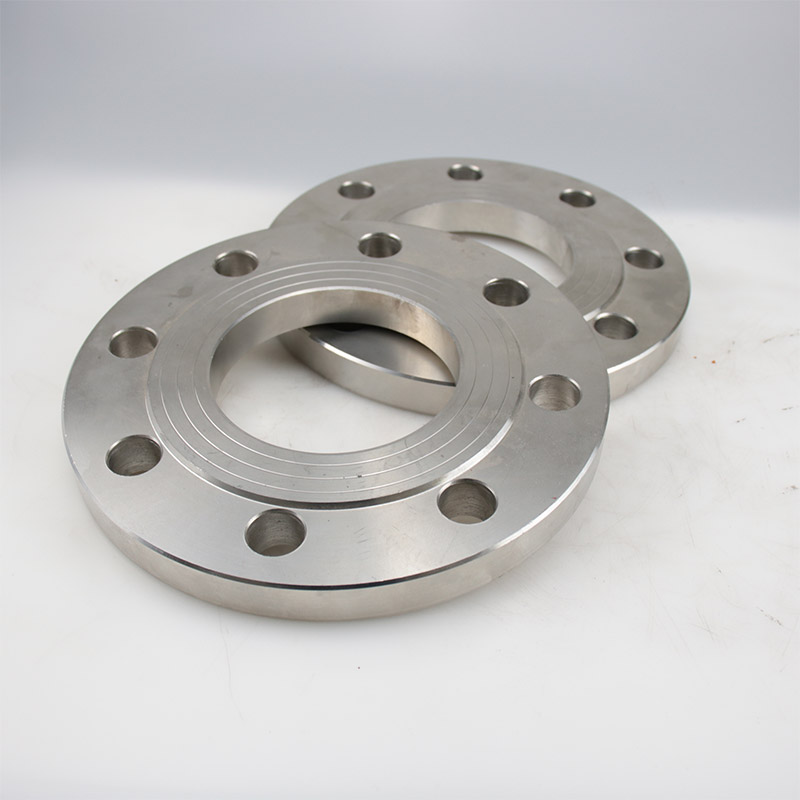
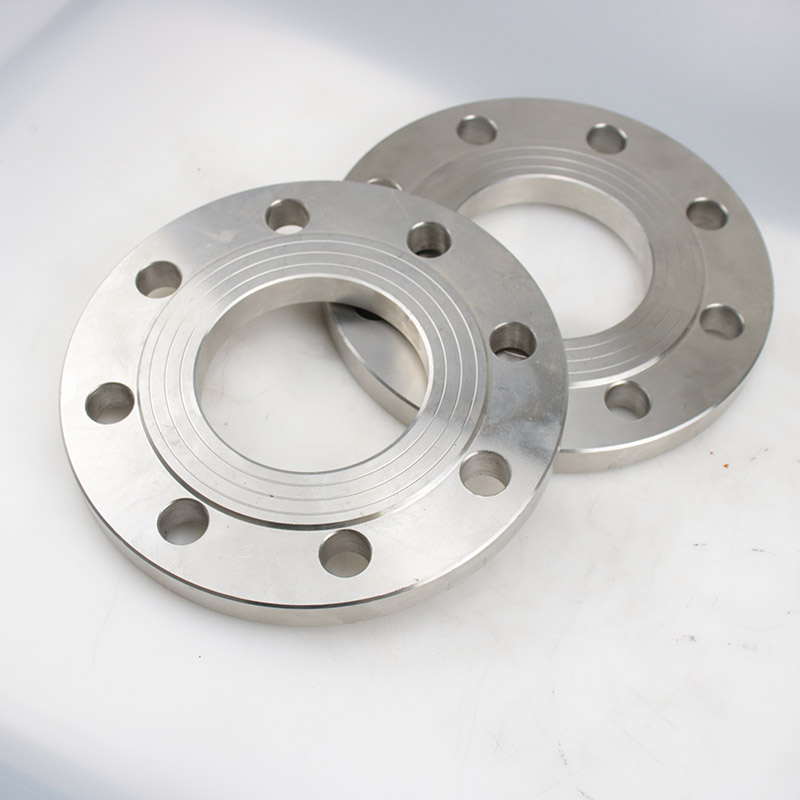
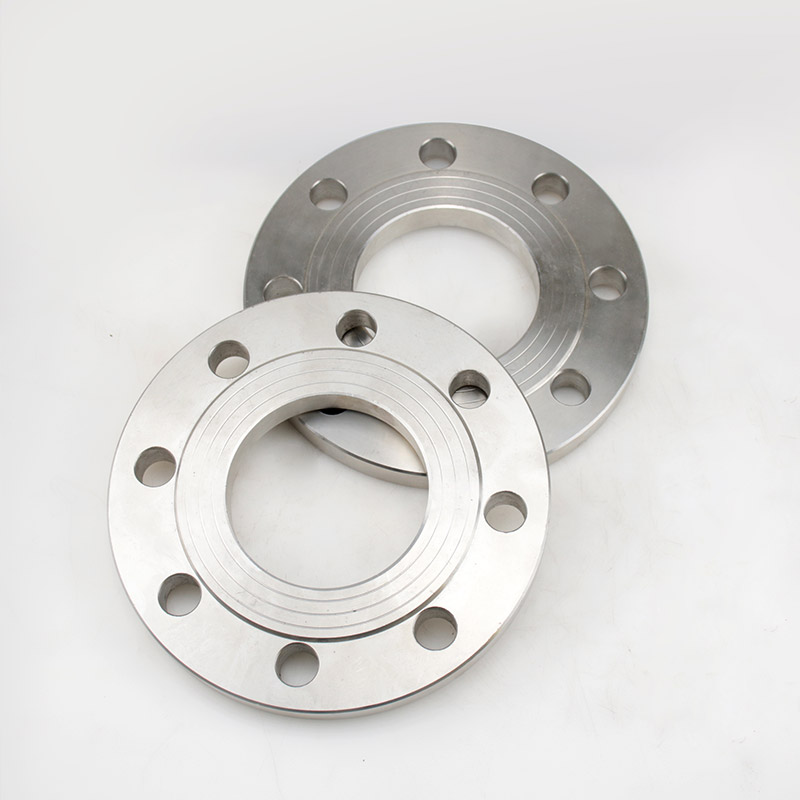
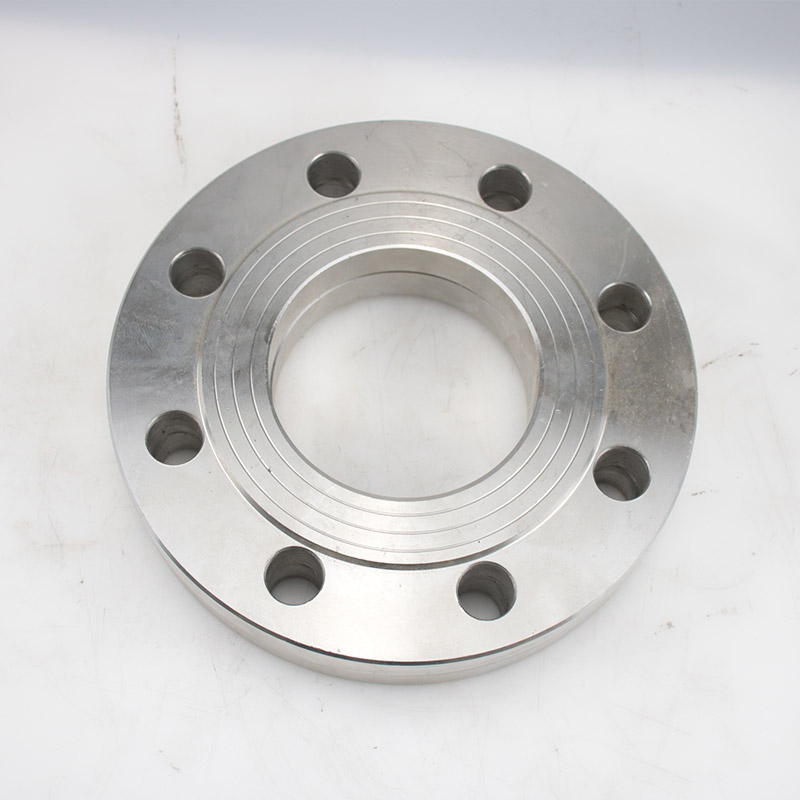
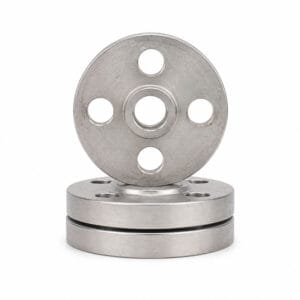
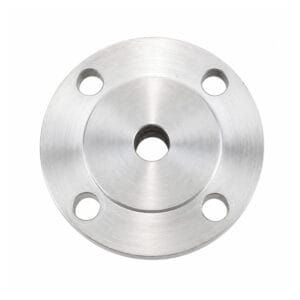
For a flange where the pipe end is inserted into the socket and secured by an external fillet weld, the inner bore forms a relatively smooth flow path. It is primarily used for small-diameter, high-pressure pipelines; a specified clearance must be maintained between the pipe end and the bottom of the socket during installation.
Fabriquées avec des équipements CNC avancés et des processus éprouvés, nos brides, cintres de tuyaux et raccords offrent des dimensions précises, des performances d'étanchéité stables et une installation fiable dans des applications industrielles exigeantes.
Standards: GB/T 9124.1-2019 (PN series) or GB/T 9124.2-2019 (Class series); export projects may comply with ASME B16.5-2025.
Structure: Socket Weld (SW) flange; orders must match the pipe’s outside diameter and wall thickness, and verify the socket bore depth.
Size Range: The ASME B16.5 standard generally covers NPS 1/2–24; Class 2500 flanges apply up to NPS 12. Specific flange types do not necessarily cover all size-pressure combinations; refer to the corresponding dimensional tables.
Pression Évaluations : Classe 150, 300, 400, 600, 900, 1 500, 2 500, ou sélectionnées selon la série PN correspondante ; les valeurs nominales pression-température admissibles varient en fonction du groupe de matériaux et de la température de fonctionnement.
Materials/Facing: Common materials include ASTM A105, A182 F304/F316, etc.; facing types (RF, FF, RTJ, etc.) must be confirmed as a complete set alongside gaskets, bolts, and mating flanges.
Ordering/Acceptance: Confirm flange type, DN/NPS, PN/Class, material group, facing type, pipe wall thickness/bore, and bolting/gasket systems; verify against the corresponding standard dimensional tables item by item—availability of all combinations cannot be assumed based solely on the standard’s overall scope.