Daftar Isi
This review of plate flange material guide helps industrial buyers translate an approved material decision into an identifiable, inspectable purchase requirement. For a plate flange, the defining interface is a flat plate body, a pipe opening, bolt drilling and the specified sealing face. The review should establish whether the ordered plate geometry, material and rating basis describe the intended joint. A familiar name or a convenient catalogue image cannot settle that decision without the connected-part information and the required evidence.
Panduan ini mengembangkan persyaratan material dan peta ketertelusuran sertifikat-ke-bagian. Ini membahas produk dan keputusan pembelian secara terpisah, sehingga alternatif yang diusulkan dapat dievaluasi sebelum fabrikasi atau pengiriman. Nilai penerimaan numerik harus berasal dari gambar yang disetujui proyek dan persyaratan yang berlaku. Situasi pembelian yang dikerjakan di bawah ini adalah ilustrasi dan tidak menggambarkan proyek pelanggan yang dilaporkan.
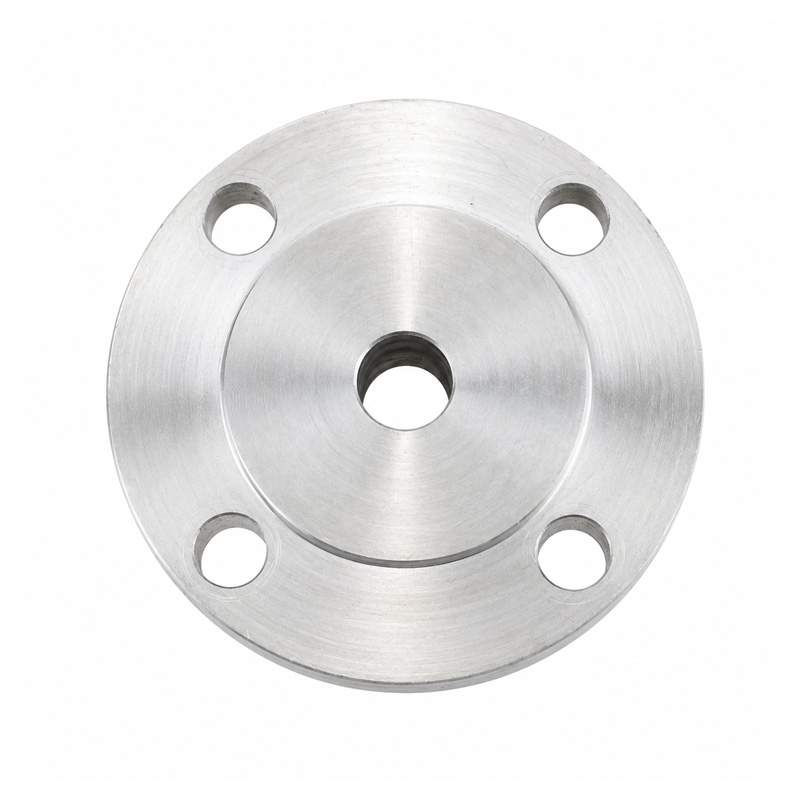
Understand the plate flange interface
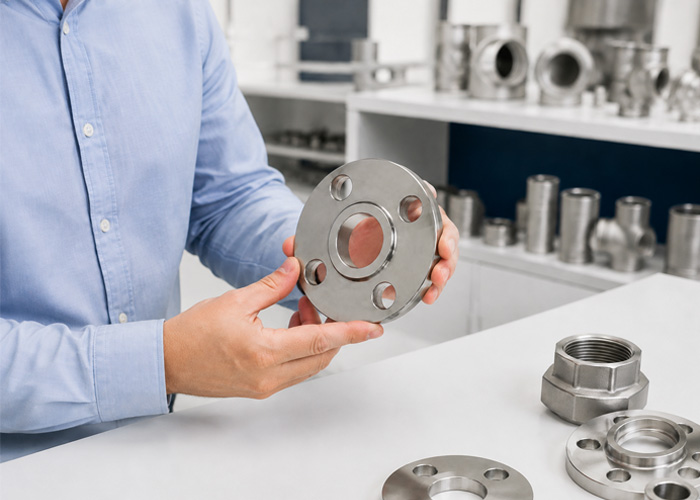
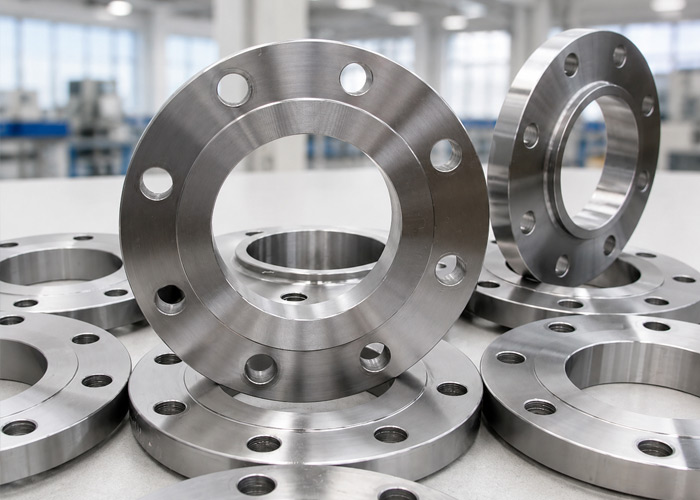
The physical review begins with a flat plate body, a pipe opening, bolt drilling and the specified sealing face. A plate description does not establish equivalence to a forged flange. Confirm the permitted material and manufacturing route against the actual standard and design. The distinction to retain in the technical discussion is plate construction versus a forged hubbed connection. This affects the questions asked of the supplier and the information the fabricator needs. Keep the component description connected to the actual pipe or equipment arrangement rather than evaluate the part as an isolated object.
Confirm the exact configuration against the connected parts and the approved drawing; the general product name is not the final purchase specification. See the plate flange product information untuk konteks produk yang terdaftar, dan konfirmasikan konfigurasi pesanan yang tepat dalam kutipan dan gambar yang diterima. Ketersediaan katalog dan spesifikasi yang disetujui proyek adalah bukti terpisah.
Define the decision for plate flange material guide
Mulailah dengan proses dan lingkungan yang sebenarnya, termasuk suhu, komposisi media, kondisi pembersihan dan bahan yang terhubung. Deskripsi luas seperti stainless atau baja karbon tidak dapat menjawab setiap pertanyaan kesesuaian. Pemilik teknik harus memilih dasar material yang diperlukan; pengadaan kemudian harus menyatakan persyaratan itu dengan jelas dan mengidentifikasi setiap pemeriksaan tambahan, perlakuan panas atau kondisi dokumen. Penampilan bukan bukti nilai.
For this component, organise the review around four concrete inputs: plate material specification and manufacturing basis; bore against the connected pipe outside diameter; plate thickness and the controlling rating basis; bolt circle, hole count and facing compatibility. Their importance is specific to the interface described above. Ask the responsible owner to confirm each input or identify the document that controls it. If a requirement is absent, state what remains unknown and how it affects translate an approved material decision into an identifiable, inspectable purchase requirement; do not allow an empty field to become an assumed approval.
A decision worksheet for plate flange material guide
The worksheet applies this review to plate flange. Use the project requirements for acceptance values; the entries identify what must be resolved rather than prescribe dimensional or pressure limits.
| Item ulasan | Bukti atau keputusan yang diperlukan | Pemilik untuk mengkonfirmasi |
|---|---|---|
| Plate material specification and manufacturing basis | Proses dan kondisi eksternal apa yang mendorong pilihan material? | Teknik dan pemasok |
| Bore against the connected pipe outside diameter | Spesifikasi dan tingkatan material manakah yang dipesan? | Pemilik gambar dan inspektur |
| Plate thickness and the controlling rating basis | Bagaimana barang yang dikirimkan akan dikaitkan dengan bukti materialnya? | Peninjau dan pemasok bahan |
| Bolt circle, hole count and facing compatibility | Proses dan kondisi eksternal apa yang mendorong pilihan material? | Fabrikator dan teknik |
| Tujuan teknis | Peta persyaratan material dan ketertelusuran sertifikat-ke-bagian | Pembeli dan teknik |
| Susunan alternatif | Plate construction versus a forged hubbed connection | Pemilik teknis resmi |
Work through a mixed-material shipment
Consider an illustrative situation involving plate flange: components of similar appearance arrive under different material identities. The immediate response is to reconcile the package labels, part identification and material records, and isolate any item that cannot be traced. In this case, start with bore against the connected pipe outside diameter and check its relationship to plate thickness and the controlling rating basis. That pair of inputs establishes a concrete review point instead of a general request for a better-quality product.
The useful outcome is a released receiving lot whose identity remains usable through fabrication. For material guide, the record should also produce a material requirement and certificate-to-part traceability map. Identify the owner of the remaining technical decision and the document that will capture it. If an alternative affects bolt circle, hole count and facing compatibility, have the engineering team review that interface before commercial acceptance. The scenario illustrates a decision process; it is not a claim that a particular failure or project result has occurred.
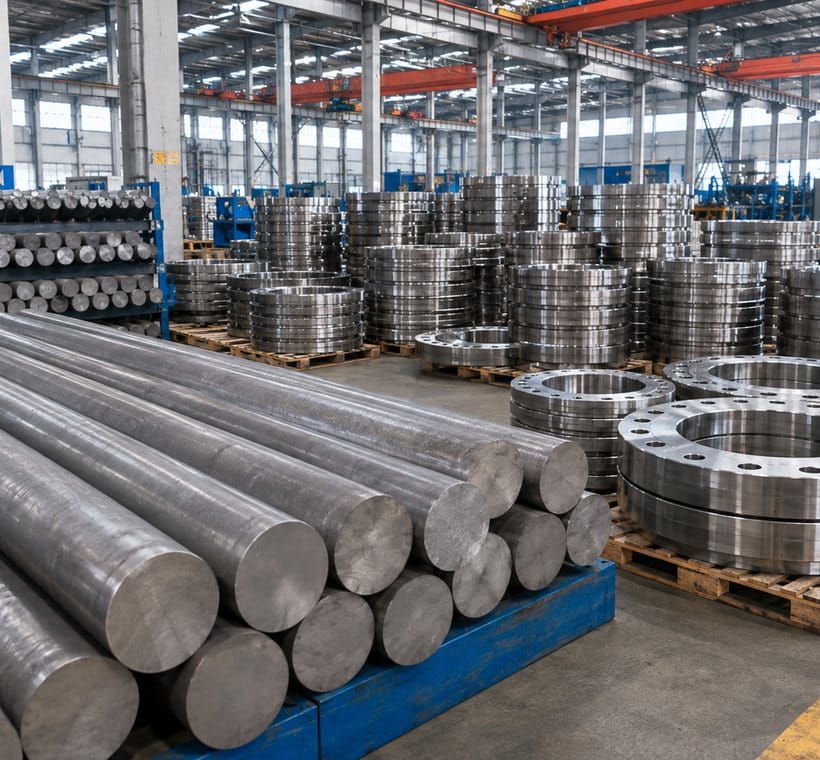
Questions that resolve plate flange material guide
Ikuti identitas material yang diusulkan melalui rute pembuatan dan pengepakan. Konfirmasikan referensi panas atau lot mana yang akan ditandai atau dipertahankan pada komponen yang dikirimkan. Jika pesanan memerlukan identifikasi material positif, setujui metode, ruang lingkup, dan dasar penerimaannya terlebih dahulu. Tinjau sertifikat terhadap spesifikasi yang dipesan dan hubungkan ke bagian yang sebenarnya sebelum memperlakukan paket dokumentasi sebagai lengkap.
Three questions close this review: What process and external conditions drive the material choice? Which exact material specification and grade are ordered? How will the delivered item be linked to its material evidence? Relate the answers to plate material specification and manufacturing basis and bolt circle, hole count and facing compatibility, and retain the accepted references with the component identity.
Tinjau koneksi sebagai sistem yang lengkap
Sebuah komponen tidak beroperasi secara independen dari pipa, peralatan dan bagian kawin di sekitarnya. Konfirmasikan bahwa metode koneksi yang diusulkan, material dan geometri tetap konsisten dengan dasar sistem yang disetujui. Upgrade nominal dapat memperkenalkan amplop yang berbeda atau persyaratan kawin tanpa menyelesaikan masalah asli. Minta tim teknik untuk meninjau perubahan yang mempengaruhi keseluruhan sendi. Jaga ketersediaan pemasok dan preferensi komersial terpisah dari keputusan bahwa komponen cocok untuk tugas desain yang sebenarnya.
Rencanakan pengukuran seputar fitur dan toleransi
Pilih metode pengukuran yang dapat menemukan datum yang ditentukan dan menilai fitur yang diperlukan. Alat tangan yang nyaman mungkin tidak sesuai untuk setiap dimensi, terutama di mana akses atau geometri membuat titik referensi tidak pasti. Catat identitas peralatan dan status verifikasi atau kalibrasi yang diperlukan oleh sistem mutu. Nyatakan nilai terukur dalam unit yang benar dan pertahankan referensi penerimaan. Jika metode berubah, dokumentasikan mengapa pendekatan baru tetap sesuai alih-alih meninggalkan dua inspektur dengan hasil yang tidak dapat dibandingkan.
Review the installed envelope as well as the component
Component dimensions need to be checked against the space the part will occupy. Nearby valves, supports, insulation and equipment can restrict fit, tool access and removal. Ask the piping team to identify dimensions that control the arrangement and distinguish them from dimensions recorded only for component manufacture. For replacement work, compare the installed condition with the available drawing. A compliant component is still a poor purchasing outcome if the inquiry never described the required space or the mating interface that determines whether it can be installed.
Freeze the weld-end interface before cutting the spool
The fabricator should receive the accepted end dimensions, pipe data and approved weld detail before cutting or fitting the spool. A change in pipe wall, component bore or end preparation can affect the fit even when the nominal size stays the same. Ask the engineer to disposition proposed transitions rather than let the shop invent one. Retain material identity while the ends are handled or prepared. After an authorised change, update the drawing and repeat the affected checks so the inspection record describes the condition actually supplied for fabrication.
Hand over the accepted interface to the fabricator
Transfer the controlled drawing, material identity, end requirements and approved deviations to the team that will incorporate the component into the piping. A commercial description alone usually cannot support fit-up and inspection. State which checks were completed by the supplier and which remain in the fabrication scope. If the arrangement changes, review the affected interfaces before work proceeds. Retain the accepted records with the component so traceability and technical context do not disappear when parts leave stores.
Tentukan batas pasokan komponen
Daftar persis apa yang akan diberikan pemasok dan apa yang tersisa dengan pembeli atau fabrikator. Kawin bagian, gasket, pengencang, pemeriksaan tambahan, pelapisan, pengepakan dan persiapan dokumen mungkin memiliki tanggung jawab komersial yang terpisah. Jangan berasumsi bahwa foto produk yang tampak lengkap menggambarkan ruang lingkup pasokan. Catat inklusi dan pengecualian terhadap pertanyaan sehingga kutipan dapat dibandingkan dengan dasar yang sama. Sebelum rilis pembelian, periksa bahwa tidak ada antarmuka penting atau aktivitas penerimaan yang tersisa antara dua pihak yang masing-masing percaya satu sama lain bertanggung jawab.
Prepare the plate flange material guide handover
Telusuri yang terdaftar Majelis Flange atau mengirim gambar untuk tinjauan kustomisasi. Sertakan revisi gambar yang diterima dan persyaratan material dan peta ketertelusuran sertifikat-ke-bagian. Kutipan harus mengidentifikasi konfigurasi yang disediakan secara tepat dan keputusan teknik yang tersisa.
Periksa referensi standar penerbit dengan insinyur proyek sebelum memilih lingkup dan edisi yang berlaku. Halaman referensi tidak secara independen menetapkan kesesuaian atau sertifikasi komponen yang dipesan.
Use the form below to send your plate flange inquiry with quantity, delivery destination, drawing revision and the information for plate flange material guide. Include plate material specification and manufacturing basis; bore against the connected pipe outside diameter; plate thickness and the controlling rating basis; bolt circle, hole count and facing compatibility and identify any requirements still awaiting engineering confirmation. This allows the proposed product and document scope to be reviewed against the same purchasing basis.
Pertanyaan yang Sering Diajukan
What is the first step in plate flange material guide?
Start with plate material specification and manufacturing basis and the actual mating arrangement. Define the review objective: translate an approved material decision into an identifiable, inspectable purchase requirement. Keep missing information visible until its responsible owner confirms it.
What evidence should the plate flange inquiry request?
Meminta gambar yang diterima dan catatan yang diperlukan untuk persyaratan material dan peta ketertelusuran sertifikat-ke-bagian. Tautkan bukti ke materi yang dipesan dan identitas barang, dan tentukan setiap inspeksi atau ruang lingkup saksi sebelum pembuatan.
Why does bore against the connected pipe outside diameter need a separate check?
It controls a specific part of the interface: a flat plate body, a pipe opening, bolt drilling and the specified sealing face. A familiar product name cannot establish every connected requirement. Record the applicable drawing or specification and obtain approval for proposed differences.
Can plate construction versus a forged hubbed connection be treated as equivalent?
Only after the relevant technical differences are reviewed and accepted. A plate description does not establish equivalence to a forged flange. Confirm the permitted material and manufacturing route against the actual standard and design. Keep any accepted alternative in the purchase and inspection baseline.
Kapan review panduan materi siap untuk diserahkan?
When the defined inputs, evidence and approvals support whether the ordered plate geometry, material and rating basis describe the intended joint. Retain open conditions explicitly and transfer a material requirement and certificate-to-part traceability map to the team responsible for the next stage.