Daftar Isi
This review of plate flange replacement planning helps industrial buyers define the existing interface before buying a replacement or accepting a substitute. For a plate flange, the defining interface is a flat plate body, a pipe opening, bolt drilling and the specified sealing face. The review should establish whether the ordered plate geometry, material and rating basis describe the intended joint. A familiar name or a convenient catalogue image cannot settle that decision without the connected-part information and the required evidence.
This guide develops a field-survey record and an approved replacement basis. It addresses the product and the purchase decision separately, so a proposed alternative can be evaluated before fabrication or shipment. Numerical acceptance values must come from the project-approved drawings and applicable requirements. The worked purchasing situation below is illustrative and does not describe a reported customer project.
Understand the plate flange interface
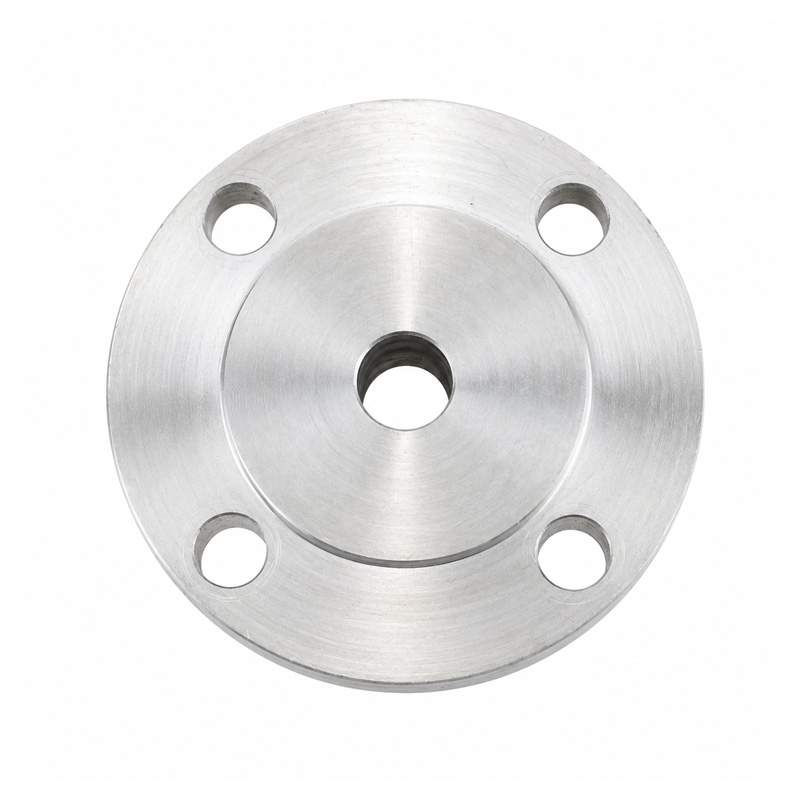
The physical review begins with a flat plate body, a pipe opening, bolt drilling and the specified sealing face. A plate description does not establish equivalence to a forged flange. Confirm the permitted material and manufacturing route against the actual standard and design. The distinction to retain in the technical discussion is plate construction versus a forged hubbed connection. This affects the questions asked of the supplier and the information the fabricator needs. Keep the component description connected to the actual pipe or equipment arrangement rather than evaluate the part as an isolated object.
Confirm the exact configuration against the connected parts and the approved drawing; the general product name is not the final purchase specification. See the plate flange product information untuk konteks produk yang terdaftar, dan konfirmasikan konfigurasi pesanan yang tepat dalam kutipan dan gambar yang diterima. Ketersediaan katalog dan spesifikasi yang disetujui proyek adalah bukti terpisah.
Define the decision for plate flange replacement planning
Start with the installed identity, available drawings and maintenance history, then plan a survey of the interfaces that determine fit. Include nearby supports, valves, insulation and removal space. A replacement can match nominal size and still differ in geometry or connection method. Record measured features, units and reference points so the supplier can distinguish actual site evidence from an assumption copied from an old parts list.
For this component, organise the review around four concrete inputs: plate material specification and manufacturing basis; bore against the connected pipe outside diameter; plate thickness and the controlling rating basis; bolt circle, hole count and facing compatibility. Their importance is specific to the interface described above. Ask the responsible owner to confirm each input or identify the document that controls it. If a requirement is absent, state what remains unknown and how it affects define the existing interface before buying a replacement or accepting a substitute; do not allow an empty field to become an assumed approval.
A decision worksheet for plate flange replacement planning
The worksheet applies this review to plate flange. Use the project requirements for acceptance values; the entries identify what must be resolved rather than prescribe dimensional or pressure limits.
| Item ulasan | Bukti atau keputusan yang diperlukan | Pemilik untuk mengkonfirmasi |
|---|---|---|
| Plate material specification and manufacturing basis | Does the installed configuration agree with the available drawing? | Teknik dan pemasok |
| Bore against the connected pipe outside diameter | Which interfaces can be measured before the shutdown? | Pemilik gambar dan inspektur |
| Plate thickness and the controlling rating basis | What change would require engineering approval? | Peninjau dan pemasok bahan |
| Bolt circle, hole count and facing compatibility | Does the installed configuration agree with the available drawing? | Fabrikator dan teknik |
| Tujuan teknis | A field-survey record and an approved replacement basis | Pembeli dan teknik |
| Susunan alternatif | Plate construction versus a forged hubbed connection | Pemilik teknis resmi |
Work through a proposed material substitution
Consider an illustrative situation involving plate flange: an alternative grade is offered to shorten delivery. The immediate response is to compare the proposal with the process, temperature and external exposure basis and obtain the required engineering approval. In this case, start with bolt circle, hole count and facing compatibility and check its relationship to plate material specification and manufacturing basis. That pair of inputs establishes a concrete review point instead of a general request for a better-quality product.
The useful outcome is an accepted material decision with its evidence requirements retained in the order. For replacement planning, the record should also produce a field-survey record and an approved replacement basis. Identify the owner of the remaining technical decision and the document that will capture it. If an alternative affects bore against the connected pipe outside diameter, have the engineering team review that interface before commercial acceptance. The scenario illustrates a decision process; it is not a claim that a particular failure or project result has occurred.
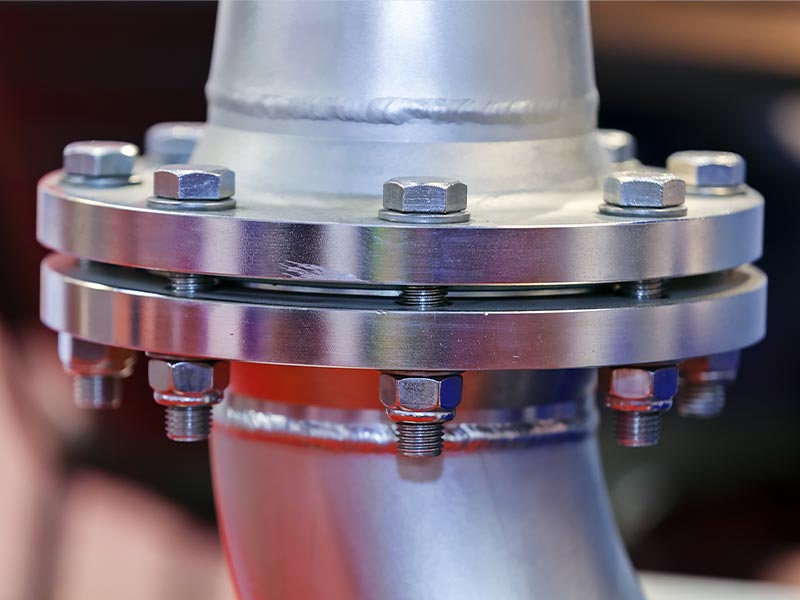
Questions that resolve plate flange replacement planning
Compare the proposed replacement with the surveyed requirement and the controlling engineering documents. Identify differences before purchasing, including changes in end details, materials and installation work. Do not select the nearest catalogue item and expect the site team to make it fit. Freeze the accepted replacement drawing and hand over unresolved site checks separately from the component supply scope.
Three questions close this review: Does the installed configuration agree with the available drawing? Which interfaces can be measured before the shutdown? What change would require engineering approval? Relate the answers to plate material specification and manufacturing basis and bolt circle, hole count and facing compatibility, and retain the accepted references with the component identity.
Protect accepted surfaces while parts are in storage
Identify surfaces and openings that need protection during handling and storage. Keep the material or lot identification available without exposing critical areas to damage. Agree the preservation requirements with the expected storage conditions and duration instead of relying on a generic packing description. When packages are opened, retain the connection between the physical items and their records. If protective covers are removed for inspection, restore the specified protection before the parts return to stores or move to another work area.
Siapkan cek masuk sebelum kiriman tiba
Penerimaan harus mengetahui identitas, dokumen, dan fitur fungsional mana yang memerlukan verifikasi. Berikan dasar pesanan yang diterima dan ruang lingkup inspeksi sebelum pengiriman, terutama ketika peralatan spesialis atau tinjauan teknis mungkin diperlukan. Periksa kuantitas, identitas paket, penandaan dan kondisi yang terlihat, kemudian selesaikan pemeriksaan dimensi atau dokumen yang disepakati. Jauhkan komponen yang tidak teridentifikasi atau tidak sesuai terpisah dari stok yang dilepaskan. Rencana penerimaan menutup kesenjangan antara rilis pengiriman pemasok dan keputusan pembeli bahwa bagian yang dikirimkan dapat melanjutkan ke fabrikasi.
Tinjau koneksi sebagai sistem yang lengkap
Sebuah komponen tidak beroperasi secara independen dari pipa, peralatan dan bagian kawin di sekitarnya. Konfirmasikan bahwa metode koneksi yang diusulkan, material dan geometri tetap konsisten dengan dasar sistem yang disetujui. Upgrade nominal dapat memperkenalkan amplop yang berbeda atau persyaratan kawin tanpa menyelesaikan masalah asli. Minta tim teknik untuk meninjau perubahan yang mempengaruhi keseluruhan sendi. Jaga ketersediaan pemasok dan preferensi komersial terpisah dari keputusan bahwa komponen cocok untuk tugas desain yang sebenarnya.
Kontrol berubah setelah pesanan diterima
Memerlukan usulan perubahan pada materi, konfigurasi, atau ruang lingkup manufaktur yang diterima untuk dikomunikasikan sebelum hasil pekerjaan yang terpengaruh. Identifikasi antarmuka dan catatan mana yang harus ditinjau, dan dapatkan persetujuan dari pemilik yang sesuai. Perubahan yang tampaknya kecil bagi satu pihak dapat mengubah kesesuaian, pemeriksaan, atau pemasangan untuk pihak lain. Perbarui dokumen yang diterima dan beri tahu tim inspeksi dan penerima yang sekarang berlaku revisi. Catatan pembelian harus menunjukkan kondisi akhir yang disepakati tanpa kehilangan alasan untuk perubahan selanjutnya.
Make orientation an explicit drawing decision
Some components can be installed in different orientations while presenting the same nominal size description. Identify the required relationship to flow, branches, equipment or maintenance access on the controlled drawing. The purpose is to remove ambiguity, not to apply one universal orientation rule to every system. Ask the responsible engineer to confirm the arrangement where process or layout considerations matter. Carry the accepted orientation into inspection, marking and fabrication information so the part is not rotated or connected by assumption at the installation stage.
Tutup kueri gambar sebelum menjadi keputusan toko
Ketika dimensi bertentangan atau fitur fungsional tidak terdefinisi, ajukan pertanyaan teknis yang mengidentifikasi fitur yang tepat dan revisi dokumen. Nyatakan interpretasi yang diusulkan pemasok tanpa mengganti persyaratan asli. Dapatkan tanggapan dari pemilik teknik yang berwenang dan masukkan ke dalam baseline yang diterima. Informasikan kepada tim manufaktur dan inspeksi tentang keputusan sebelum mereka melakukan pekerjaan yang terpengaruh. Catatan kueri yang jelas memungkinkan untuk memahami mengapa komponen dibuat untuk persyaratan tertentu dan mencegah pihak yang berbeda menyelesaikan ambiguitas yang sama secara berbeda.
Prepare the plate flange replacement planning handover
Telusuri yang terdaftar Majelis Flange atau mengirim gambar untuk tinjauan kustomisasi. Include the accepted drawing revision and a field-survey record and an approved replacement basis. The quotation should identify the exact supplied configuration and remaining engineering decisions.
Periksa referensi standar penerbit dengan insinyur proyek sebelum memilih lingkup dan edisi yang berlaku. Halaman referensi tidak secara independen menetapkan kesesuaian atau sertifikasi komponen yang dipesan.
Use the form below to send your plate flange inquiry with quantity, delivery destination, drawing revision and the information for plate flange replacement planning. Include plate material specification and manufacturing basis; bore against the connected pipe outside diameter; plate thickness and the controlling rating basis; bolt circle, hole count and facing compatibility and identify any requirements still awaiting engineering confirmation. This allows the proposed product and document scope to be reviewed against the same purchasing basis.
Pertanyaan yang Sering Diajukan
What is the first step in plate flange replacement planning?
Start with plate material specification and manufacturing basis and the actual mating arrangement. Define the review objective: define the existing interface before buying a replacement or accepting a substitute. Keep missing information visible until its responsible owner confirms it.
What evidence should the plate flange inquiry request?
Request the accepted drawing and the records needed for a field-survey record and an approved replacement basis. Link the evidence to the ordered material and item identity, and define any inspection or witness scope before manufacture.
Why does bore against the connected pipe outside diameter need a separate check?
It controls a specific part of the interface: a flat plate body, a pipe opening, bolt drilling and the specified sealing face. A familiar product name cannot establish every connected requirement. Record the applicable drawing or specification and obtain approval for proposed differences.
Can plate construction versus a forged hubbed connection be treated as equivalent?
Only after the relevant technical differences are reviewed and accepted. A plate description does not establish equivalence to a forged flange. Confirm the permitted material and manufacturing route against the actual standard and design. Keep any accepted alternative in the purchase and inspection baseline.
When is the replacement planning review ready for handover?
When the defined inputs, evidence and approvals support whether the ordered plate geometry, material and rating basis describe the intended joint. Retain open conditions explicitly and transfer a field-survey record and an approved replacement basis to the team responsible for the next stage.