- +86 13931792766
- Cangzhou, Provinsi Hebei, Cina

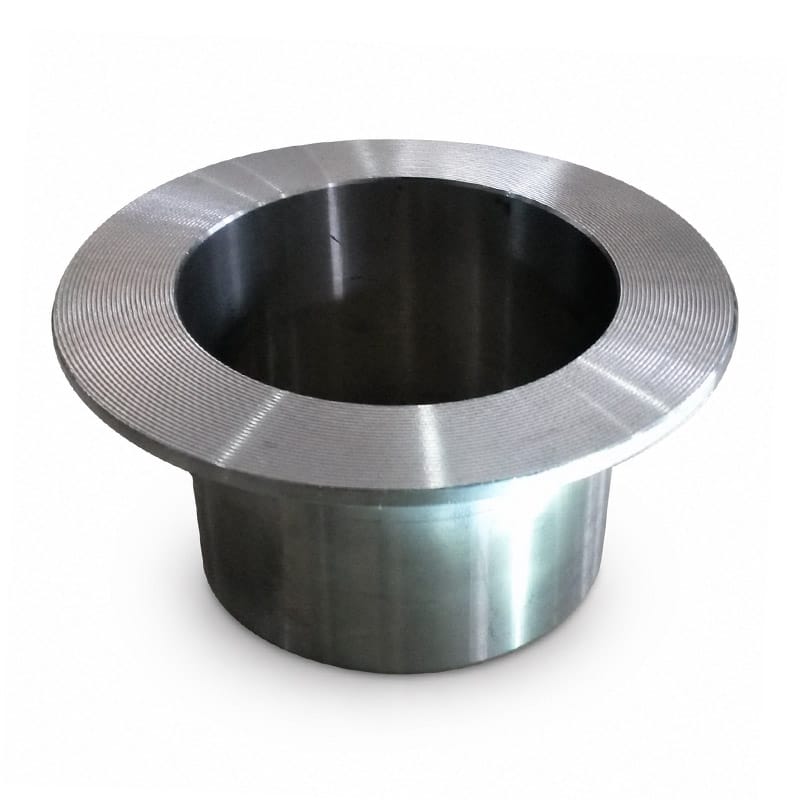
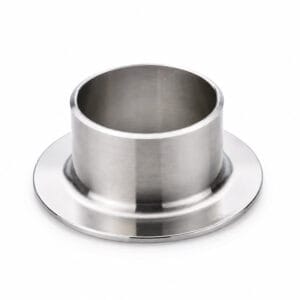
A lap-joint stub end is used in conjunction with a loose-fitting (lap-joint) flange; the welded end connects to the piping, while the flanged end provides the sealing surface. The loose flange can rotate freely to facilitate bolt-hole alignment. This configuration is suitable for systems requiring frequent disassembly or the use of corrosion-resistant piping materials.
Diproduksi dengan peralatan CNC canggih dan proses yang telah terbukti, flensa, tikungan pipa, dan alat kelengkapan kami memberikan dimensi yang akurat, kinerja penyegelan yang stabil, dan pemasangan yang dapat diandalkan di seluruh aplikasi industri yang menuntut.
Reference Standards: ASME B16.9 for butt-weld lap joint stub ends; MSS SP-43-2026 for low-pressure, corrosion-resistant, thin-wall systems.
Configuration: Long or short pattern stub ends; specifications include NPS/DN, wall thickness, barrel length, lap outside diameter, lap thickness, and fillet radius.
Connection: Butt-weld at the barrel end; lap end mates with a lap joint flange and gasket.
Materials: Carbon steel, stainless steel, or alloy steel; lap material must be compatible with the process medium.
Pressure Rating: Determined by the combination of fitting wall thickness, material, lap joint flange, and gasket system.
Ordering/Acceptance: Confirm pattern (long/short), nominal size, wall thickness, barrel length, lap dimensions, fillet radius, and material; ensure compatibility with the mating lap joint flange, gasket, and bolting system.