Daftar Isi
This review of swage nipple surface finish helps industrial buyers define which surfaces matter to fit and sealing and how their condition will be accepted. For a swage nipple, the defining interface is a compact size transition with individually specified end configurations. The review should establish whether each end of the compact transition has been specified independently. A familiar name or a convenient catalogue image cannot settle that decision without the connected-part information and the required evidence.
This guide develops a surface-condition inspection and protection plan. It addresses the product and the purchase decision separately, so a proposed alternative can be evaluated before fabrication or shipment. Numerical acceptance values must come from the project-approved drawings and applicable requirements. The worked purchasing situation below is illustrative and does not describe a reported customer project.
Memahami antarmuka puting swage
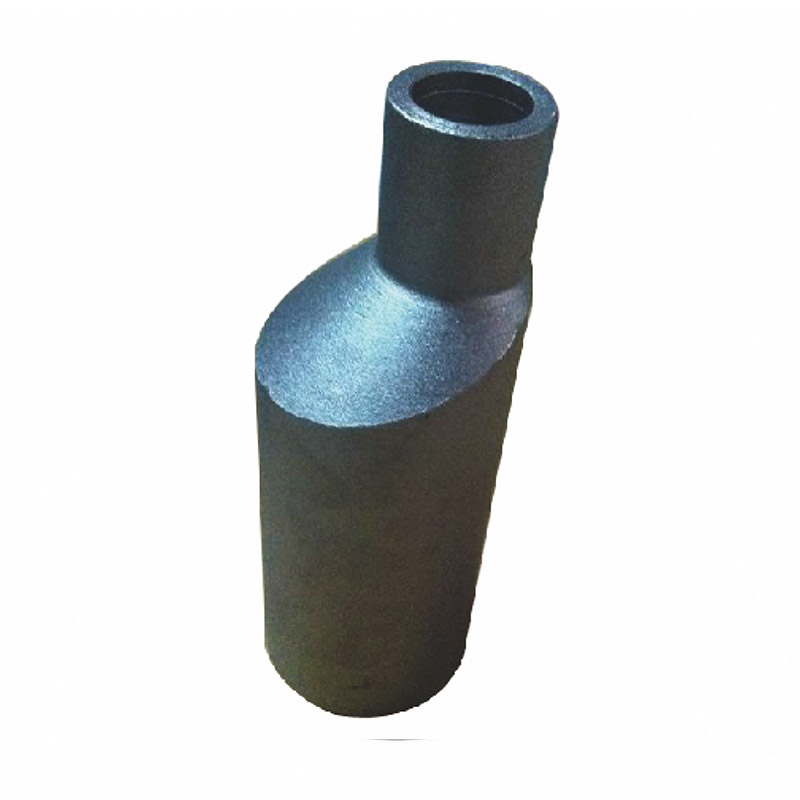
Tinjauan fisik dimulai dengan transisi ukuran kompak dengan konfigurasi akhir yang ditentukan secara individual. Puting swage kompak tidak boleh dihargai sebagai peredam butt-weld biasa tanpa membandingkan kondisi akhir dan basis produk yang berlaku. Perbedaan untuk dipertahankan dalam diskusi teknis adalah puting swage dengan ujung campuran versus peredam konvensional. Ini mempengaruhi pertanyaan yang diajukan dari pemasok dan informasi yang dibutuhkan fabrikator. Jaga deskripsi komponen tetap terhubung ke pengaturan pipa atau peralatan yang sebenarnya daripada mengevaluasi bagian sebagai objek yang terisolasi.
Varian produk yang terdaftar termasuk Pipa Neck-down. Pilih konfigurasi yang tepat dan kebutuhan material untuk pesanan daripada memperlakukan setiap varian sebagai dipertukarkan. Lihat Informasi produk Swage Nipple untuk konteks produk yang terdaftar, dan konfirmasikan konfigurasi pesanan yang tepat dalam kutipan dan gambar yang diterima. Ketersediaan katalog dan spesifikasi yang disetujui proyek adalah bukti terpisah.
Define the decision for swage nipple surface finish
Separate surface geometry, finish and visible condition. A clean-looking part may have the wrong dimensions, while a dimensionally correct part may have a damaged contact area. Identify the functional surfaces on the drawing and state the inspection requirements. Numerical finish values should be assessed by an agreed method, not inferred from a catalogue photograph or the apparent shine of the metal.
For this component, organise the review around four concrete inputs: large-end and small-end sizes; concentric or eccentric form; overall length; threaded, beveled or plain condition at each end. Their importance is specific to the interface described above. Ask the responsible owner to confirm each input or identify the document that controls it. If a requirement is absent, state what remains unknown and how it affects define which surfaces matter to fit and sealing and how their condition will be accepted; do not allow an empty field to become an assumed approval.
A decision worksheet for swage nipple surface finish
Lembar kerja menerapkan tinjauan ini pada puting swage. Gunakan persyaratan proyek untuk nilai penerimaan; entri mengidentifikasi apa yang harus diselesaikan daripada menentukan batas dimensi atau tekanan.
| Item ulasan | Bukti atau keputusan yang diperlukan | Pemilik untuk mengkonfirmasi |
|---|---|---|
| Ukuran besar dan kecil | Which surfaces perform a sealing, bearing or fit function? | Teknik dan pemasok |
| Bentuk konsentris atau eksentrik | What document supplies their acceptance basis? | Pemilik gambar dan inspektur |
| Panjang keseluruhan | Which handling steps could damage an accepted surface? | Peninjau dan pemasok bahan |
| Kondisi berulir, miring atau polos di setiap ujungnya | Which surfaces perform a sealing, bearing or fit function? | Fabrikator dan teknik |
| Tujuan teknis | A surface-condition inspection and protection plan | Pembeli dan teknik |
| Susunan alternatif | Puting swage dengan ujung campuran versus peredam konvensional | Pemilik teknis resmi |
Work through a mixed-unit drawing package
Consider an illustrative situation involving swage nipple: the supplier and project drawings use different controlling units. The immediate response is to identify the authoritative dimensions and tolerance references and resolve converted display values before production. In this case, start with large-end and small-end sizes and check its relationship to concentric or eccentric form. That pair of inputs establishes a concrete review point instead of a general request for a better-quality product.
The useful outcome is a single accepted dimensional basis that both inspection teams can apply. For surface finish, the record should also produce a surface-condition inspection and protection plan. Identify the owner of the remaining technical decision and the document that will capture it. If an alternative affects overall length, have the engineering team review that interface before commercial acceptance. The scenario illustrates a decision process; it is not a claim that a particular failure or project result has occurred.
Questions that resolve swage nipple surface finish
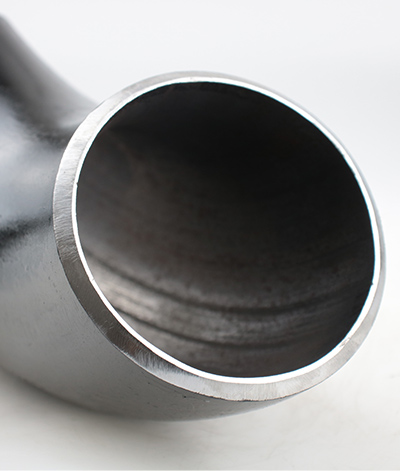
Record findings before packing or assembly makes the surfaces inaccessible. Obtain authorisation for repair and repeat the affected inspection after rework. Protect accepted faces and ends against contact damage and contamination. Use photographs to illustrate identified observations, with item references that connect them to the report, rather than a folder of unlabelled images.
Three questions close this review: Which surfaces perform a sealing, bearing or fit function? What document supplies their acceptance basis? Which handling steps could damage an accepted surface? Relate the answers to large-end and small-end sizes and threaded, beveled or plain condition at each end, and retain the accepted references with the component identity.
Hand over the accepted interface to the fabricator
Transfer the controlled drawing, material identity, end requirements and approved deviations to the team that will incorporate the component into the piping. A commercial description alone usually cannot support fit-up and inspection. State which checks were completed by the supplier and which remain in the fabrication scope. If the arrangement changes, review the affected interfaces before work proceeds. Retain the accepted records with the component so traceability and technical context do not disappear when parts leave stores.
Label every connection on a port sketch
Use a labelled sketch when the component has more than one connection or when orientation could be misunderstood. Assign an identifier to each port and list its size, end type, material-related requirement and position. A sequence of sizes in a commercial description can be read differently by different parties, especially for branches and reducing arrangements. The sketch should show which end joins which pipe or equipment item. Retain the accepted port labels in the quotation and inspection records so a supplier’s confirmation can be checked against the actual arrangement.
Separate component supply from site work control
The supply package can identify the component and its technical requirements, but it cannot establish that an existing system is ready to be opened or modified. The responsible site team must verify isolation, depressurisation, permits and the other work-control prerequisites for the actual service. Keep those duties in the approved site process. The purchasing and fabrication records should provide the information that process needs without implying that a delivered part or a supplier’s certificate authorises work on operating equipment.
Tentukan tahap selanjutnya setelah penyelesaian mekanis
Penyelesaian pembuatan komponen atau perakitan mekanis tidak secara otomatis melepaskan sistem yang diinstal untuk operasi. Identifikasi kegiatan inspeksi, pengujian dan commissioning yang diperlukan oleh proyek dan orang yang bertanggung jawab untuk rilis. Pertahankan temuan terbuka dengan disposisi resmi mereka. Jika sistem berperilaku tidak terduga, ikuti proses isolasi dan investigasi situs sebelum pekerjaan korektif. Serah terima yang jelas membedakan apa yang telah diselesaikan dari prasyarat yang tersisa dan mencegah satu tim dari asumsi yang lain telah menerima seluruh sistem.
Siapkan cek masuk sebelum kiriman tiba
Penerimaan harus mengetahui identitas, dokumen, dan fitur fungsional mana yang memerlukan verifikasi. Berikan dasar pesanan yang diterima dan ruang lingkup inspeksi sebelum pengiriman, terutama ketika peralatan spesialis atau tinjauan teknis mungkin diperlukan. Periksa kuantitas, identitas paket, penandaan dan kondisi yang terlihat, kemudian selesaikan pemeriksaan dimensi atau dokumen yang disepakati. Jauhkan komponen yang tidak teridentifikasi atau tidak sesuai terpisah dari stok yang dilepaskan. Rencana penerimaan menutup kesenjangan antara rilis pengiriman pemasok dan keputusan pembeli bahwa bagian yang dikirimkan dapat melanjutkan ke fabrikasi.
Retain the information needed for future replacement
Store the accepted component description, drawing revision, material identity and relevant inspection results in a retrievable project record. If the part replaces an existing item, retain the field-survey basis and the approved differences. Future maintenance teams should not need to reconstruct the interface from appearance or an old supplier email. A clear history also helps investigate recurring problems by showing which physical configuration and technical assumptions were actually in service at the time.
Prepare the swage nipple surface finish handover
Telusuri yang terdaftar Pipa Fittings atau mengirim gambar untuk tinjauan kustomisasi. Include the accepted drawing revision and a surface-condition inspection and protection plan. The quotation should identify the exact supplied configuration and remaining engineering decisions.
Periksa referensi standar penerbit dengan insinyur proyek sebelum memilih lingkup dan edisi yang berlaku. Halaman referensi tidak secara independen menetapkan kesesuaian atau sertifikasi komponen yang dipesan.
Use the form below to send your swage nipple inquiry with quantity, delivery destination, drawing revision and the information for swage nipple surface finish. Include large-end and small-end sizes; concentric or eccentric form; overall length; threaded, beveled or plain condition at each end and identify any requirements still awaiting engineering confirmation. This allows the proposed product and document scope to be reviewed against the same purchasing basis.
Pertanyaan yang Sering Diajukan
What is the first step in swage nipple surface finish?
Start with large-end and small-end sizes and the actual mating arrangement. Define the review objective: define which surfaces matter to fit and sealing and how their condition will be accepted. Keep missing information visible until its responsible owner confirms it.
Bukti apa yang harus diminta oleh penyelidikan puting swage?
Request the accepted drawing and the records needed for a surface-condition inspection and protection plan. Link the evidence to the ordered material and item identity, and define any inspection or witness scope before manufacture.
Mengapa bentuk konsentris atau eksentrik memerlukan pemeriksaan terpisah?
Ini mengontrol bagian tertentu dari antarmuka: transisi ukuran kompak dengan konfigurasi akhir yang ditentukan secara individual. Nama produk yang familiar tidak dapat menetapkan setiap persyaratan yang terhubung. Catat gambar atau spesifikasi yang berlaku dan dapatkan persetujuan untuk perbedaan yang diusulkan.
Dapatkah puting swage dengan ujung campuran versus peredam konvensional diperlakukan setara?
Hanya setelah perbedaan teknis yang relevan ditinjau dan diterima. Puting swage kompak tidak boleh dihargai sebagai peredam butt-weld biasa tanpa membandingkan kondisi akhir dan basis produk yang berlaku. Simpan alternatif apa pun yang diterima dalam garis dasar pembelian dan inspeksi.
When is the surface finish review ready for handover?
When the defined inputs, evidence and approvals support whether each end of the compact transition has been specified independently. Retain open conditions explicitly and transfer a surface-condition inspection and protection plan to the team responsible for the next stage.