Table of Contents
This review of plate flange installation helps industrial buyers separate the supplied component’s condition from the approved work needed to install it. For a plate flange, the defining interface is a flat plate body, a pipe opening, bolt drilling and the specified sealing face. The review should establish whether the ordered plate geometry, material and rating basis describe the intended joint. A familiar name or a convenient catalogue image cannot settle that decision without the connected-part information and the required evidence.
This guide develops an installation input list and a clear engineering handover. It addresses the product and the purchase decision separately, so a proposed alternative can be evaluated before fabrication or shipment. Numerical acceptance values must come from the project-approved drawings and applicable requirements. The worked purchasing situation below is illustrative and does not describe a reported customer project.
Understand the plate flange interface
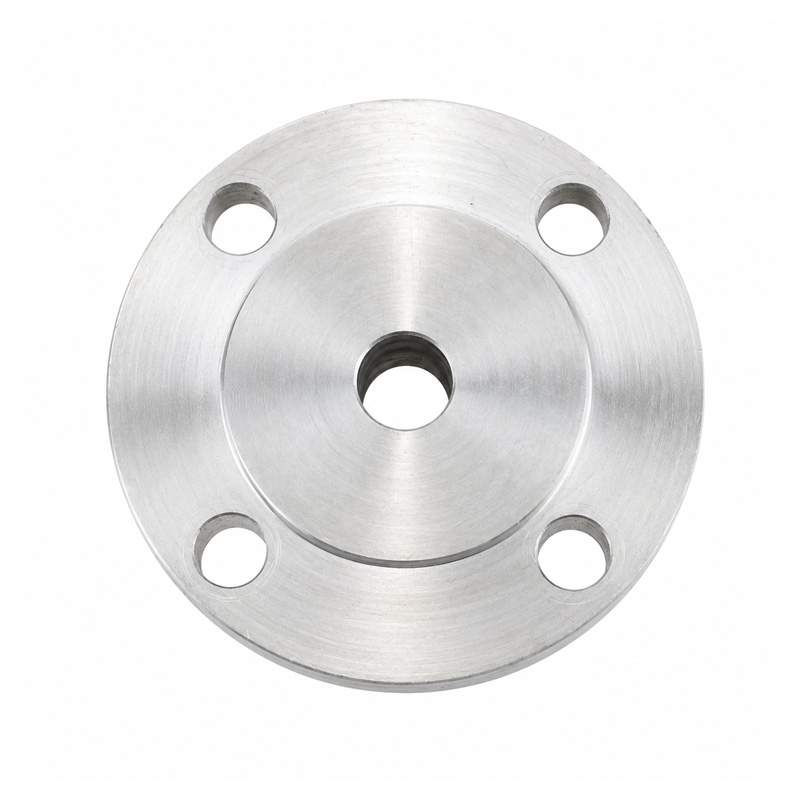
The physical review begins with a flat plate body, a pipe opening, bolt drilling and the specified sealing face. A plate description does not establish equivalence to a forged flange. Confirm the permitted material and manufacturing route against the actual standard and design. The distinction to retain in the technical discussion is plate construction versus a forged hubbed connection. This affects the questions asked of the supplier and the information the fabricator needs. Keep the component description connected to the actual pipe or equipment arrangement rather than evaluate the part as an isolated object.
Confirm the exact configuration against the connected parts and the approved drawing; the general product name is not the final purchase specification. See the plate flange product information for the listed product context, and confirm the exact ordered configuration in the accepted quotation and drawing. Catalogue availability and a project-approved specification are separate pieces of evidence.
Define the decision for plate flange installation
Identify the component, its mating parts and the approved installation detail before mechanical work begins. For an existing system, the responsible site team must verify the required isolation and work permits. Check support, access, handling and the tools needed for the chosen connection method. Installation should not begin with an unresolved material identity or an improvised change in the end connection.
For this component, organise the review around four concrete inputs: plate material specification and manufacturing basis; bore against the connected pipe outside diameter; plate thickness and the controlling rating basis; bolt circle, hole count and facing compatibility. Their importance is specific to the interface described above. Ask the responsible owner to confirm each input or identify the document that controls it. If a requirement is absent, state what remains unknown and how it affects separate the supplied component’s condition from the approved work needed to install it; do not allow an empty field to become an assumed approval.
A decision worksheet for plate flange installation
The worksheet applies this review to plate flange. Use the project requirements for acceptance values; the entries identify what must be resolved rather than prescribe dimensional or pressure limits.
| Review item | Evidence or decision required | Owner to confirm |
|---|---|---|
| Plate material specification and manufacturing basis | What approved procedure governs the connection? | Engineering and supplier |
| Bore against the connected pipe outside diameter | Which fit-up observations must be recorded before the joint is closed? | Drawing owner and inspector |
| Plate thickness and the controlling rating basis | Who resolves a mismatch involving the connected pipe or equipment? | Material reviewer and supplier |
| Bolt circle, hole count and facing compatibility | What approved procedure governs the connection? | Fabricator and engineering |
| Technical objective | An installation input list and a clear engineering handover | Buyer and engineering |
| Alternative arrangement | Plate construction versus a forged hubbed connection | Authorised technical owner |
Work through a congested equipment connection
Consider an illustrative situation involving plate flange: the proposed component matches nominal size but has a different installed envelope. The immediate response is to review the mating geometry, tool access and removal route against the arrangement drawing before accepting the proposal. In this case, start with bolt circle, hole count and facing compatibility and check its relationship to plate material specification and manufacturing basis. That pair of inputs establishes a concrete review point instead of a general request for a better-quality product.
The useful outcome is a component choice that accounts for physical access as well as individual dimensions. For installation, the record should also produce an installation input list and a clear engineering handover. Identify the owner of the remaining technical decision and the document that will capture it. If an alternative affects bore against the connected pipe outside diameter, have the engineering team review that interface before commercial acceptance. The scenario illustrates a decision process; it is not a claim that a particular failure or project result has occurred.
Questions that resolve plate flange installation
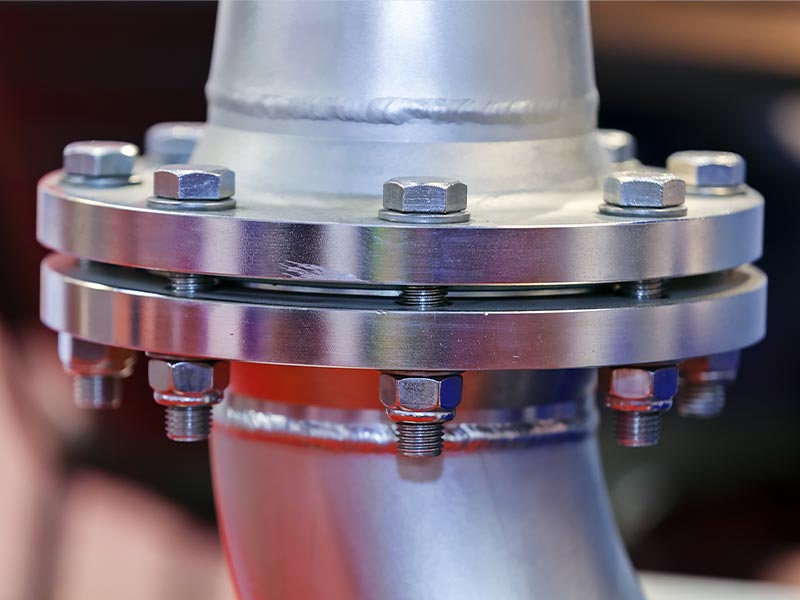
Record the required fit-up observations and stop if the arrangement differs from the approved basis. Do not force a mismatch into place or alter a functional surface without an authorised disposition. The component supplier’s records do not automatically cover site welds, joint assembly or commissioning. Keep the boundaries visible and hand the accepted part information to the team responsible for the installed system.
Three questions close this review: What approved procedure governs the connection? Which fit-up observations must be recorded before the joint is closed? Who resolves a mismatch involving the connected pipe or equipment? Relate the answers to plate material specification and manufacturing basis and bolt circle, hole count and facing compatibility, and retain the accepted references with the component identity.
Keep the technical baseline under revision control
A purchase can contain the right component description and still fail if different teams use different drawing revisions. Record the accepted revision beside the order line and identify the documents that supersede earlier versions. When a design change arrives, review its effect on parts already manufactured, inspection already completed and interfaces already fabricated. Obtain a disposition for each affected item rather than assume the change only applies to future production. Keep the final accepted baseline available to receiving and site personnel, who need a definite requirement rather than a correspondence history to interpret.
Label every connection on a port sketch
Use a labelled sketch when the component has more than one connection or when orientation could be misunderstood. Assign an identifier to each port and list its size, end type, material-related requirement and position. A sequence of sizes in a commercial description can be read differently by different parties, especially for branches and reducing arrangements. The sketch should show which end joins which pipe or equipment item. Retain the accepted port labels in the quotation and inspection records so a supplier’s confirmation can be checked against the actual arrangement.
Confirm the manufacturing construction that was ordered
Descriptions such as forged, seamless, welded or plate refer to meaningful manufacturing distinctions and should be supported by the ordered specification and evidence. Do not assume two routes are equivalent because the finished components have similar outlines. Identify the required construction and ask the supplier to state any proposed alternative. Obtain engineering approval when a change affects the applicable product basis, examination or material requirements. Retain the accepted construction in the purchase and inspection records so receiving can check the same technical scope that procurement agreed.
Prevent unit conversions from creating a second specification
Confirm the controlling unit system on the drawing and purchase description. Converted values shown for convenience should not silently become independent acceptance requirements. Keep the required precision and tolerance reference visible, and resolve conflicts through the project document hierarchy. Do not round a dimension simply to make a table look tidy when that value controls a physical interface. At inspection, record the actual unit and measurement basis so the supplier and receiving team compare the same requirement.
Make package labels useful at receiving
A package label should support the actual receiving process. Include the order reference, package identity and a clear link to the contents listed on the packing record. Segregate items where mixed sizes, grades or lots would make identity difficult to maintain. Agree whether individual identification is required rather than assume one external label is enough. At receipt, record condition and discrepancies before the package is dismantled so any transit or identification problem can be traced to the released shipment.
Retain the information needed for future replacement
Store the accepted component description, drawing revision, material identity and relevant inspection results in a retrievable project record. If the part replaces an existing item, retain the field-survey basis and the approved differences. Future maintenance teams should not need to reconstruct the interface from appearance or an old supplier email. A clear history also helps investigate recurring problems by showing which physical configuration and technical assumptions were actually in service at the time.
Prepare the plate flange installation handover
Browse the listed Flange Assembly or send drawings for customization review. Include the accepted drawing revision and an installation input list and a clear engineering handover. The quotation should identify the exact supplied configuration and remaining engineering decisions.
Check the publisher’s standards reference with the project engineer before selecting the applicable scope and edition. A reference page does not independently establish suitability or certification of the ordered component.
Use the form below to send your plate flange inquiry with quantity, delivery destination, drawing revision and the information for plate flange installation. Include plate material specification and manufacturing basis; bore against the connected pipe outside diameter; plate thickness and the controlling rating basis; bolt circle, hole count and facing compatibility and identify any requirements still awaiting engineering confirmation. This allows the proposed product and document scope to be reviewed against the same purchasing basis.
Frequently Asked Questions
What is the first step in plate flange installation?
Start with plate material specification and manufacturing basis and the actual mating arrangement. Define the review objective: separate the supplied component's condition from the approved work needed to install it. Keep missing information visible until its responsible owner confirms it.
What evidence should the plate flange inquiry request?
Request the accepted drawing and the records needed for an installation input list and a clear engineering handover. Link the evidence to the ordered material and item identity, and define any inspection or witness scope before manufacture.
Why does bore against the connected pipe outside diameter need a separate check?
It controls a specific part of the interface: a flat plate body, a pipe opening, bolt drilling and the specified sealing face. A familiar product name cannot establish every connected requirement. Record the applicable drawing or specification and obtain approval for proposed differences.
Can plate construction versus a forged hubbed connection be treated as equivalent?
Only after the relevant technical differences are reviewed and accepted. A plate description does not establish equivalence to a forged flange. Confirm the permitted material and manufacturing route against the actual standard and design. Keep any accepted alternative in the purchase and inspection baseline.
When is the installation review ready for handover?
When the defined inputs, evidence and approvals support whether the ordered plate geometry, material and rating basis describe the intended joint. Retain open conditions explicitly and transfer an installation input list and a clear engineering handover to the team responsible for the next stage.