
Índice
This review of swage nipple packing checklist helps industrial buyers preserve the accepted component and its identity through transport and receipt. For a swage nipple, the defining interface is a compact size transition with individually specified end configurations. The review should establish whether each end of the compact transition has been specified independently. A familiar name or a convenient catalogue image cannot settle that decision without the connected-part information and the required evidence.
This guide develops a packing specification linked to the receiving workflow. It addresses the product and the purchase decision separately, so a proposed alternative can be evaluated before fabrication or shipment. Numerical acceptance values must come from the project-approved drawings and applicable requirements. The worked purchasing situation below is illustrative and does not describe a reported customer project.
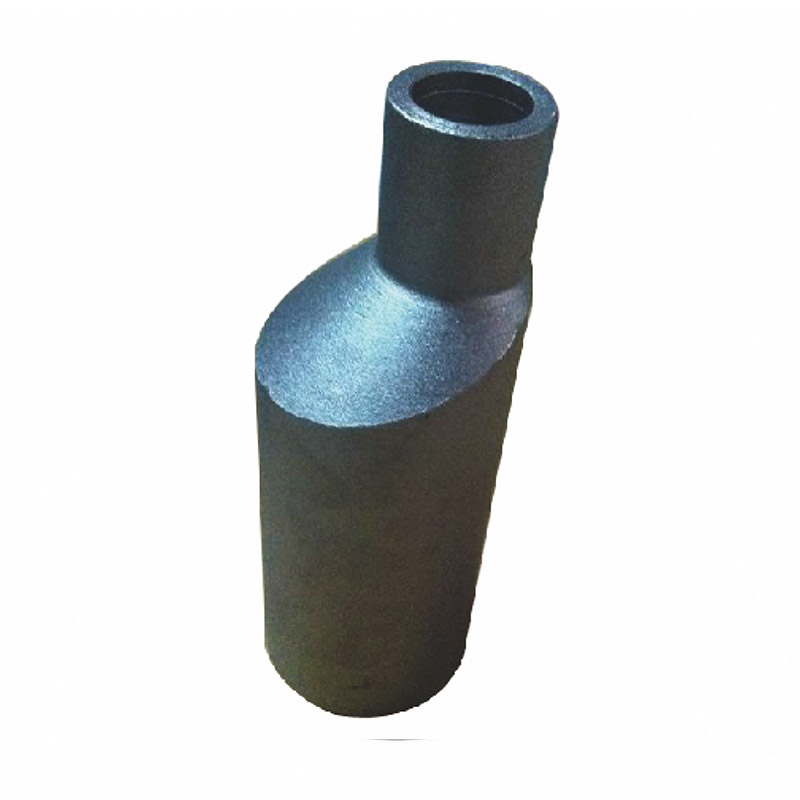
Understand the swage nipple interface
The physical review begins with a compact size transition with individually specified end configurations. A compact swage nipple should not be priced as an ordinary butt-weld reducer without comparing the end conditions and applicable product basis. The distinction to retain in the technical discussion is a swage nipple with mixed ends versus a conventional reducer. This affects the questions asked of the supplier and the information the fabricator needs. Keep the component description connected to the actual pipe or equipment arrangement rather than evaluate the part as an isolated object.
The listed product variants include Neck-down Pipe. Select the exact configuration and material requirement for the order rather than treating every variant as interchangeable. See the Swage Nipple product information for the listed product context, and confirm the exact ordered configuration in the accepted quotation and drawing. Catalogue availability and a project-approved specification are separate pieces of evidence.
Define the decision for swage nipple packing checklist
Agree preservation and packing requirements with the transport route and the receiving process in mind. Protect functional faces, ends and threads without hiding required identification. Define package separation when several order lines travel together. The packing list should allow an inspector to connect the package, quantity, component description and material identity without opening every box merely to discover what it contains.
For this component, organise the review around four concrete inputs: large-end and small-end sizes; concentric or eccentric form; overall length; threaded, beveled or plain condition at each end. Their importance is specific to the interface described above. Ask the responsible owner to confirm each input or identify the document that controls it. If a requirement is absent, state what remains unknown and how it affects preserve the accepted component and its identity through transport and receipt; do not allow an empty field to become an assumed approval.
A decision worksheet for swage nipple packing checklist
The worksheet applies this review to swage nipple. Use the project requirements for acceptance values; the entries identify what must be resolved rather than prescribe dimensional or pressure limits.
| Review item | Evidence or decision required | Owner to confirm |
|---|---|---|
| Large-end and small-end sizes | Which surfaces need protection against handling damage? | Engineering and supplier |
| Concentric or eccentric form | How are different sizes, grades or lots kept identifiable? | Drawing owner and inspector |
| Overall length | What does the receiving team need to reconcile each package? | Material reviewer and supplier |
| Threaded, beveled or plain condition at each end | Which surfaces need protection against handling damage? | Fabricator and engineering |
| Technical objective | A packing specification linked to the receiving workflow | Buyer and engineering |
| Alternative arrangement | A swage nipple with mixed ends versus a conventional reducer | Authorised technical owner |
Work through an urgent repair purchase
Consider an illustrative situation involving swage nipple: delivery pressure encourages the team to shorten the original technical description. The immediate response is to retain the safety- and fit-critical inputs and disposition missing information through the responsible engineering owner. In this case, start with threaded, beveled or plain condition at each end and check its relationship to large-end and small-end sizes. That pair of inputs establishes a concrete review point instead of a general request for a better-quality product.
The useful outcome is a controlled urgent order with open questions visible instead of hidden by the commercial deadline. For packing checklist, the record should also produce a packing specification linked to the receiving workflow. Identify the owner of the remaining technical decision and the document that will capture it. If an alternative affects concentric or eccentric form, have the engineering team review that interface before commercial acceptance. The scenario illustrates a decision process; it is not a claim that a particular failure or project result has occurred.

Questions that resolve swage nipple packing checklist
Inspect the packing condition before shipment when the order requires it, and retain photographs linked to package references. Record the document location and any items supplied separately. At receipt, compare the package identity and visible condition with the released shipment record. Isolate unidentified or damaged parts until their disposition is agreed, and preserve the traceability information when packaging is removed.
Three questions close this review: Which surfaces need protection against handling damage? How are different sizes, grades or lots kept identifiable? What does the receiving team need to reconcile each package? Relate the answers to large-end and small-end sizes and threaded, beveled or plain condition at each end, and retain the accepted references with the component identity.
Close drawing queries before they become shop decisions
When dimensions conflict or a functional feature is undefined, raise a technical query that identifies the exact feature and document revision. State the supplier’s proposed interpretation without replacing the original requirement. Obtain a response from the authorised engineering owner and incorporate it into the accepted baseline. Inform manufacturing and inspection teams of the decision before they perform the affected work. A clear query record makes it possible to understand why a component was made to a particular requirement and prevents different parties from resolving the same ambiguity differently.
Protect accepted surfaces while parts are in storage
Identify surfaces and openings that need protection during handling and storage. Keep the material or lot identification available without exposing critical areas to damage. Agree the preservation requirements with the expected storage conditions and duration instead of relying on a generic packing description. When packages are opened, retain the connection between the physical items and their records. If protective covers are removed for inspection, restore the specified protection before the parts return to stores or move to another work area.
Review the connection as a complete system
A component does not operate independently of the pipe, equipment and mating parts around it. Confirm that the proposed connection method, material and geometry remain consistent with the approved system basis. A nominal upgrade can introduce a different envelope or mating requirement without solving the original concern. Ask the engineering team to review changes that affect the whole joint. Keep supplier availability and commercial preference separate from the decision that a component is suitable for the actual design duty.
Keep the technical baseline under revision control
A purchase can contain the right component description and still fail if different teams use different drawing revisions. Record the accepted revision beside the order line and identify the documents that supersede earlier versions. When a design change arrives, review its effect on parts already manufactured, inspection already completed and interfaces already fabricated. Obtain a disposition for each affected item rather than assume the change only applies to future production. Keep the final accepted baseline available to receiving and site personnel, who need a definite requirement rather than a correspondence history to interpret.
Make orientation an explicit drawing decision
Some components can be installed in different orientations while presenting the same nominal size description. Identify the required relationship to flow, branches, equipment or maintenance access on the controlled drawing. The purpose is to remove ambiguity, not to apply one universal orientation rule to every system. Ask the responsible engineer to confirm the arrangement where process or layout considerations matter. Carry the accepted orientation into inspection, marking and fabrication information so the part is not rotated or connected by assumption at the installation stage.
Separate component supply from site work control
The supply package can identify the component and its technical requirements, but it cannot establish that an existing system is ready to be opened or modified. The responsible site team must verify isolation, depressurisation, permits and the other work-control prerequisites for the actual service. Keep those duties in the approved site process. The purchasing and fabrication records should provide the information that process needs without implying that a delivered part or a supplier’s certificate authorises work on operating equipment.
Prepare the swage nipple packing checklist handover
Browse the listed Acessórios para tubos or send drawings for customization review. Include the accepted drawing revision and a packing specification linked to the receiving workflow. The quotation should identify the exact supplied configuration and remaining engineering decisions.
Check the publisher’s standards reference with the project engineer before selecting the applicable scope and edition. A reference page does not independently establish suitability or certification of the ordered component.
Use the form below to send your swage nipple inquiry with quantity, delivery destination, drawing revision and the information for swage nipple packing checklist. Include large-end and small-end sizes; concentric or eccentric form; overall length; threaded, beveled or plain condition at each end and identify any requirements still awaiting engineering confirmation. This allows the proposed product and document scope to be reviewed against the same purchasing basis.
Perguntas frequentes
What is the first step in swage nipple packing checklist?
Start with large-end and small-end sizes and the actual mating arrangement. Define the review objective: preserve the accepted component and its identity through transport and receipt. Keep missing information visible until its responsible owner confirms it.
What evidence should the swage nipple inquiry request?
Request the accepted drawing and the records needed for a packing specification linked to the receiving workflow. Link the evidence to the ordered material and item identity, and define any inspection or witness scope before manufacture.
Why does concentric or eccentric form need a separate check?
It controls a specific part of the interface: a compact size transition with individually specified end configurations. A familiar product name cannot establish every connected requirement. Record the applicable drawing or specification and obtain approval for proposed differences.
Can a swage nipple with mixed ends versus a conventional reducer be treated as equivalent?
Only after the relevant technical differences are reviewed and accepted. A compact swage nipple should not be priced as an ordinary butt-weld reducer without comparing the end conditions and applicable product basis. Keep any accepted alternative in the purchase and inspection baseline.
When is the packing checklist review ready for handover?
When the defined inputs, evidence and approvals support whether each end of the compact transition has been specified independently. Retain open conditions explicitly and transfer a packing specification linked to the receiving workflow to the team responsible for the next stage.