
Table of Contents
This review of swage nipple pressure temperature rating helps industrial buyers review the ordered duty against the correct component and system-rating basis. For a swage nipple, the defining interface is a compact size transition with individually specified end configurations. The review should establish whether each end of the compact transition has been specified independently. A familiar name or a convenient catalogue image cannot settle that decision without the connected-part information and the required evidence.
This guide develops a rating review input sheet with unresolved engineering questions. It addresses the product and the purchase decision separately, so a proposed alternative can be evaluated before fabrication or shipment. Numerical acceptance values must come from the project-approved drawings and applicable requirements. The worked purchasing situation below is illustrative and does not describe a reported customer project.
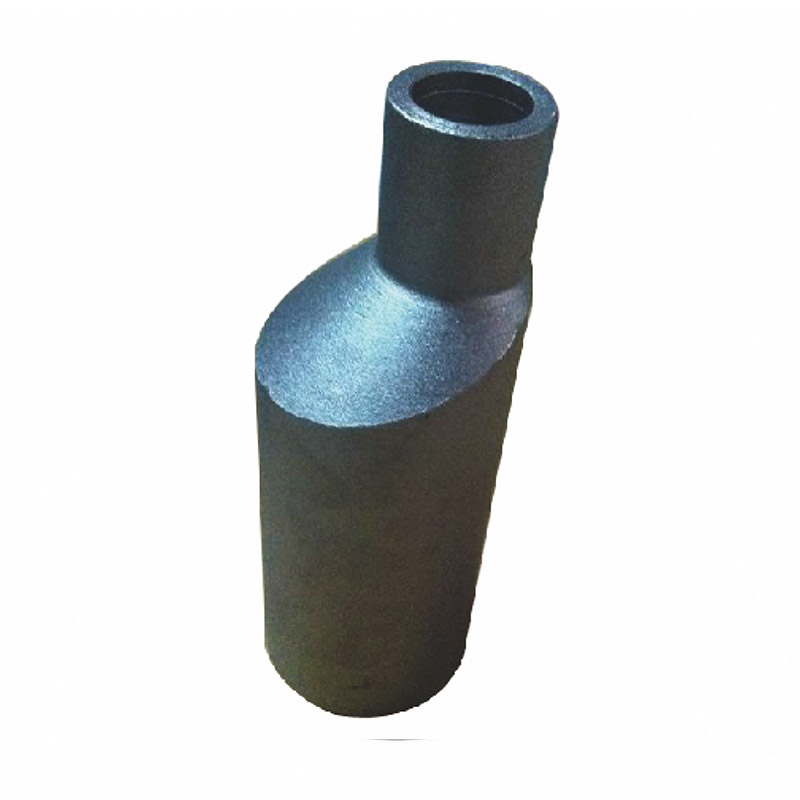
Understand the swage nipple interface
The physical review begins with a compact size transition with individually specified end configurations. A compact swage nipple should not be priced as an ordinary butt-weld reducer without comparing the end conditions and applicable product basis. The distinction to retain in the technical discussion is a swage nipple with mixed ends versus a conventional reducer. This affects the questions asked of the supplier and the information the fabricator needs. Keep the component description connected to the actual pipe or equipment arrangement rather than evaluate the part as an isolated object.
The listed product variants include Neck-down Pipe. Select the exact configuration and material requirement for the order rather than treating every variant as interchangeable. See the Swage Nipple product information for the listed product context, and confirm the exact ordered configuration in the accepted quotation and drawing. Catalogue availability and a project-approved specification are separate pieces of evidence.
Define the decision for swage nipple pressure temperature rating
A pressure or class label is meaningful within its specified system. Review the material and temperature together with the applicable component and design requirements. Do not convert a designation into a universal working pressure or transfer a flange class to a butt-weld fitting. The buyer should provide the engineering conditions and request the proposed compliance basis rather than invent a numerical capacity from appearance or wall shorthand.
For this component, organise the review around four concrete inputs: large-end and small-end sizes; concentric or eccentric form; overall length; threaded, beveled or plain condition at each end. Their importance is specific to the interface described above. Ask the responsible owner to confirm each input or identify the document that controls it. If a requirement is absent, state what remains unknown and how it affects review the ordered duty against the correct component and system-rating basis; do not allow an empty field to become an assumed approval.
A decision worksheet for swage nipple pressure temperature rating
The worksheet applies this review to swage nipple. Use the project requirements for acceptance values; the entries identify what must be resolved rather than prescribe dimensional or pressure limits.
| Review item | Evidence or decision required | Owner to confirm |
|---|---|---|
| Large-end and small-end sizes | What design pressure and temperature must be considered together? | Engineering and supplier |
| Concentric or eccentric form | Does the chosen designation belong to the actual product family? | Drawing owner and inspector |
| Overall length | Which other components limit or affect the connection? | Material reviewer and supplier |
| Threaded, beveled or plain condition at each end | What design pressure and temperature must be considered together? | Fabricator and engineering |
| Technical objective | A rating review input sheet with unresolved engineering questions | Buyer and engineering |
| Alternative arrangement | A swage nipple with mixed ends versus a conventional reducer | Authorised technical owner |
Work through an equipment nozzle interface review
Consider an illustrative situation involving swage nipple: the connected equipment drawing imposes requirements beyond the abbreviated component catalogue description. The immediate response is to review the actual mating interface and document precedence with the equipment and piping owners before purchase approval. In this case, start with threaded, beveled or plain condition at each end and check its relationship to large-end and small-end sizes. That pair of inputs establishes a concrete review point instead of a general request for a better-quality product.
The useful outcome is a component requirement that matches the equipment connection and the agreed project responsibilities. For pressure temperature rating, the record should also produce a rating review input sheet with unresolved engineering questions. Identify the owner of the remaining technical decision and the document that will capture it. If an alternative affects concentric or eccentric form, have the engineering team review that interface before commercial acceptance. The scenario illustrates a decision process; it is not a claim that a particular failure or project result has occurred.
Questions that resolve swage nipple pressure temperature rating
Check the whole assembly, including mating equipment, pipe, seals and fasteners where applicable. A change in one component may affect dimensions or introduce a different limiting item. Keep the engineering review separate from supplier availability and commercial preference. Record the source of any accepted rating data and preserve open questions until the responsible engineer has dispositioned them.
Three questions close this review: What design pressure and temperature must be considered together? Does the chosen designation belong to the actual product family? Which other components limit or affect the connection? Relate the answers to large-end and small-end sizes and threaded, beveled or plain condition at each end, and retain the accepted references with the component identity.
Review the installed envelope as well as the component
Component dimensions need to be checked against the space the part will occupy. Nearby valves, supports, insulation and equipment can restrict fit, tool access and removal. Ask the piping team to identify dimensions that control the arrangement and distinguish them from dimensions recorded only for component manufacture. For replacement work, compare the installed condition with the available drawing. A compliant component is still a poor purchasing outcome if the inquiry never described the required space or the mating interface that determines whether it can be installed.
Separate internal duty from external exposure
The process inside a connection and the environment outside it can create different material and protection requirements. Record both when preparing the engineering input. Cleaning fluids, wet insulation, marine atmosphere or contact with other materials may need review even when the normal process description appears simple. The buyer should not choose a grade from a broad industry label. Have the responsible engineer establish the material basis, then ask the supplier to quote and document that specific requirement with any supplementary protection or examination conditions.
Plan measurement around the feature and tolerance
Choose a measurement method that can locate the specified datums and assess the required feature. A convenient hand tool may not be appropriate for every dimension, particularly where access or geometry makes the reference points uncertain. Record equipment identity and the verification or calibration status required by the quality system. State the measured value in the correct unit and retain the acceptance reference. If the method changes, document why the new approach remains suitable instead of leaving two inspectors with results that cannot be compared.
Protect accepted surfaces while parts are in storage
Identify surfaces and openings that need protection during handling and storage. Keep the material or lot identification available without exposing critical areas to damage. Agree the preservation requirements with the expected storage conditions and duration instead of relying on a generic packing description. When packages are opened, retain the connection between the physical items and their records. If protective covers are removed for inspection, restore the specified protection before the parts return to stores or move to another work area.
Control changes after the order is accepted
Require proposed changes to the accepted material, configuration or manufacturing scope to be communicated before the affected work proceeds. Identify which interfaces and records must be reviewed, and obtain approval from the appropriate owner. A change that seems minor to one party may alter fit, examination or installation for another. Update the accepted documents and tell inspection and receiving teams which revision now applies. The purchase record should show the final agreed condition without losing the reason for a later change.
Include handling and tool access in the review
The available space must support the work needed to install, inspect and later remove the component. Consider lifting, temporary support and the reach of the required tools through the approved work plan. A smaller nominal item is not always easier to maintain if nearby equipment blocks the relevant connection. Identify access constraints on the arrangement drawing and review substitutions against them. This makes maintenance and installation requirements visible before a purchase decision commits the project to an awkward physical arrangement.
Prepare the swage nipple pressure temperature rating handover
Browse the listed Pipe Fittings or send drawings for customization review. Include the accepted drawing revision and a rating review input sheet with unresolved engineering questions. The quotation should identify the exact supplied configuration and remaining engineering decisions.
Check the publisher’s standards reference with the project engineer before selecting the applicable scope and edition. A reference page does not independently establish suitability or certification of the ordered component.
Use the form below to send your swage nipple inquiry with quantity, delivery destination, drawing revision and the information for swage nipple pressure temperature rating. Include large-end and small-end sizes; concentric or eccentric form; overall length; threaded, beveled or plain condition at each end and identify any requirements still awaiting engineering confirmation. This allows the proposed product and document scope to be reviewed against the same purchasing basis.
Frequently Asked Questions
What is the first step in swage nipple pressure temperature rating?
Start with large-end and small-end sizes and the actual mating arrangement. Define the review objective: review the ordered duty against the correct component and system-rating basis. Keep missing information visible until its responsible owner confirms it.
What evidence should the swage nipple inquiry request?
Request the accepted drawing and the records needed for a rating review input sheet with unresolved engineering questions. Link the evidence to the ordered material and item identity, and define any inspection or witness scope before manufacture.
Why does concentric or eccentric form need a separate check?
It controls a specific part of the interface: a compact size transition with individually specified end configurations. A familiar product name cannot establish every connected requirement. Record the applicable drawing or specification and obtain approval for proposed differences.
Can a swage nipple with mixed ends versus a conventional reducer be treated as equivalent?
Only after the relevant technical differences are reviewed and accepted. A compact swage nipple should not be priced as an ordinary butt-weld reducer without comparing the end conditions and applicable product basis. Keep any accepted alternative in the purchase and inspection baseline.
When is the pressure temperature rating review ready for handover?
When the defined inputs, evidence and approvals support whether each end of the compact transition has been specified independently. Retain open conditions explicitly and transfer a rating review input sheet with unresolved engineering questions to the team responsible for the next stage.