
Table of Contents
This review of swage nipple standards helps industrial buyers identify what each reference controls and avoid using a broad standard name as a complete specification. For a swage nipple, the defining interface is a compact size transition with individually specified end configurations. The review should establish whether each end of the compact transition has been specified independently. A familiar name or a convenient catalogue image cannot settle that decision without the connected-part information and the required evidence.
This guide develops a standards responsibility map for the component and its installed system. It addresses the product and the purchase decision separately, so a proposed alternative can be evaluated before fabrication or shipment. Numerical acceptance values must come from the project-approved drawings and applicable requirements. The worked purchasing situation below is illustrative and does not describe a reported customer project.
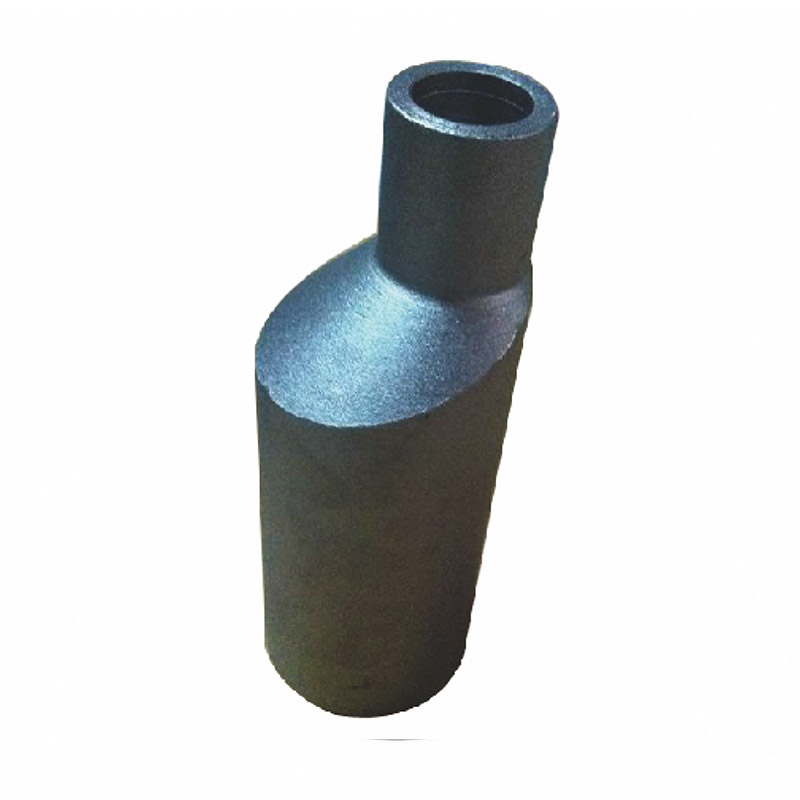
Understand the swage nipple interface
The physical review begins with a compact size transition with individually specified end configurations. A compact swage nipple should not be priced as an ordinary butt-weld reducer without comparing the end conditions and applicable product basis. The distinction to retain in the technical discussion is a swage nipple with mixed ends versus a conventional reducer. This affects the questions asked of the supplier and the information the fabricator needs. Keep the component description connected to the actual pipe or equipment arrangement rather than evaluate the part as an isolated object.
The listed product variants include Neck-down Pipe. Select the exact configuration and material requirement for the order rather than treating every variant as interchangeable. See the Swage Nipple product information for the listed product context, and confirm the exact ordered configuration in the accepted quotation and drawing. Catalogue availability and a project-approved specification are separate pieces of evidence.
Define the decision for swage nipple standards
Keep the product standard, material specification and system-design rules distinct. Check the actual component family and the stated scope before applying a reference. Specify the edition required by the project. A material designation does not define drilling or end geometry, and a component standard does not automatically approve the surrounding piping arrangement. Ask for clarification when a quotation substitutes a different reference.
For this component, organise the review around four concrete inputs: large-end and small-end sizes; concentric or eccentric form; overall length; threaded, beveled or plain condition at each end. Their importance is specific to the interface described above. Ask the responsible owner to confirm each input or identify the document that controls it. If a requirement is absent, state what remains unknown and how it affects identify what each reference controls and avoid using a broad standard name as a complete specification; do not allow an empty field to become an assumed approval.
A decision worksheet for swage nipple standards
The worksheet applies this review to swage nipple. Use the project requirements for acceptance values; the entries identify what must be resolved rather than prescribe dimensional or pressure limits.
| Review item | Evidence or decision required | Owner to confirm |
|---|---|---|
| Large-end and small-end sizes | Which reference controls the product geometry? | Engineering and supplier |
| Concentric or eccentric form | Which specification controls the material? | Drawing owner and inspector |
| Overall length | Which design basis determines suitability in the system? | Material reviewer and supplier |
| Threaded, beveled or plain condition at each end | Which reference controls the product geometry? | Fabricator and engineering |
| Technical objective | A standards responsibility map for the component and its installed system | Buyer and engineering |
| Alternative arrangement | A swage nipple with mixed ends versus a conventional reducer | Authorised technical owner |
Work through a protected-surface damage review
Consider an illustrative situation involving swage nipple: a contact area is damaged after dimensional inspection but before packing. The immediate response is to record the damage against the item, obtain an authorised disposition and repeat affected checks after any approved repair. In this case, start with large-end and small-end sizes and check its relationship to concentric or eccentric form. That pair of inputs establishes a concrete review point instead of a general request for a better-quality product.
The useful outcome is a shipment record that describes the actual final condition rather than relying on an earlier accepted inspection. For standards, the record should also produce a standards responsibility map for the component and its installed system. Identify the owner of the remaining technical decision and the document that will capture it. If an alternative affects overall length, have the engineering team review that interface before commercial acceptance. The scenario illustrates a decision process; it is not a claim that a particular failure or project result has occurred.

Questions that resolve swage nipple standards
List the requirements by responsibility: supplier manufacture and documentation, buyer engineering approval, fabricator installation and site commissioning. Where several references apply, establish precedence through the project documents. Avoid presenting a standard designation as proof of supplier certification. Conformity to the ordered requirements needs evidence tied to the delivered item and the agreed inspection scope.
Three questions close this review: Which reference controls the product geometry? Which specification controls the material? Which design basis determines suitability in the system? Relate the answers to large-end and small-end sizes and threaded, beveled or plain condition at each end, and retain the accepted references with the component identity.
Label every connection on a port sketch
Use a labelled sketch when the component has more than one connection or when orientation could be misunderstood. Assign an identifier to each port and list its size, end type, material-related requirement and position. A sequence of sizes in a commercial description can be read differently by different parties, especially for branches and reducing arrangements. The sketch should show which end joins which pipe or equipment item. Retain the accepted port labels in the quotation and inspection records so a supplier’s confirmation can be checked against the actual arrangement.
Make orientation an explicit drawing decision
Some components can be installed in different orientations while presenting the same nominal size description. Identify the required relationship to flow, branches, equipment or maintenance access on the controlled drawing. The purpose is to remove ambiguity, not to apply one universal orientation rule to every system. Ask the responsible engineer to confirm the arrangement where process or layout considerations matter. Carry the accepted orientation into inspection, marking and fabrication information so the part is not rotated or connected by assumption at the installation stage.
Identify size changes at the correct interface
Reducing connections need a clear definition of the large and small sides, and branch fittings need a distinction between the run and the branch. State the size and wall requirement at each interface instead of using a single abbreviated label. The dimensions that establish the transition and orientation should be controlled by the drawing or applicable product requirements. Ask the supplier to confirm the ordered arrangement against a labelled sketch. This avoids a common purchasing ambiguity in which the correct sizes are supplied in a configuration that does not fit the intended route.
Include handling and tool access in the review
The available space must support the work needed to install, inspect and later remove the component. Consider lifting, temporary support and the reach of the required tools through the approved work plan. A smaller nominal item is not always easier to maintain if nearby equipment blocks the relevant connection. Identify access constraints on the arrangement drawing and review substitutions against them. This makes maintenance and installation requirements visible before a purchase decision commits the project to an awkward physical arrangement.
Ask for evidence behind project-specific approval claims
A website statement or a logo does not establish that a particular delivered component meets the project’s certification or approval requirements. Identify the exact requirement and request the evidence that applies to the ordered supply. Check its scope, identity and validity through the appropriate review process. Keep company capability claims separate from material and product conformity records. This helps procurement avoid presenting a general marketing statement as proof that an individual order has satisfied every technical acceptance obligation.
Prevent unit conversions from creating a second specification
Confirm the controlling unit system on the drawing and purchase description. Converted values shown for convenience should not silently become independent acceptance requirements. Keep the required precision and tolerance reference visible, and resolve conflicts through the project document hierarchy. Do not round a dimension simply to make a table look tidy when that value controls a physical interface. At inspection, record the actual unit and measurement basis so the supplier and receiving team compare the same requirement.
Prepare the swage nipple standards handover
Browse the listed Pipe Fittings or send drawings for customization review. Include the accepted drawing revision and a standards responsibility map for the component and its installed system. The quotation should identify the exact supplied configuration and remaining engineering decisions.
Check the publisher’s standards reference with the project engineer before selecting the applicable scope and edition. A reference page does not independently establish suitability or certification of the ordered component.
Use the form below to send your swage nipple inquiry with quantity, delivery destination, drawing revision and the information for swage nipple standards. Include large-end and small-end sizes; concentric or eccentric form; overall length; threaded, beveled or plain condition at each end and identify any requirements still awaiting engineering confirmation. This allows the proposed product and document scope to be reviewed against the same purchasing basis.
Frequently Asked Questions
What is the first step in swage nipple standards?
Start with large-end and small-end sizes and the actual mating arrangement. Define the review objective: identify what each reference controls and avoid using a broad standard name as a complete specification. Keep missing information visible until its responsible owner confirms it.
What evidence should the swage nipple inquiry request?
Request the accepted drawing and the records needed for a standards responsibility map for the component and its installed system. Link the evidence to the ordered material and item identity, and define any inspection or witness scope before manufacture.
Why does concentric or eccentric form need a separate check?
It controls a specific part of the interface: a compact size transition with individually specified end configurations. A familiar product name cannot establish every connected requirement. Record the applicable drawing or specification and obtain approval for proposed differences.
Can a swage nipple with mixed ends versus a conventional reducer be treated as equivalent?
Only after the relevant technical differences are reviewed and accepted. A compact swage nipple should not be priced as an ordinary butt-weld reducer without comparing the end conditions and applicable product basis. Keep any accepted alternative in the purchase and inspection baseline.
When is the standards review ready for handover?
When the defined inputs, evidence and approvals support whether each end of the compact transition has been specified independently. Retain open conditions explicitly and transfer a standards responsibility map for the component and its installed system to the team responsible for the next stage.