
Table of Contents
This review of swage nipple surface finish helps industrial buyers define which surfaces matter to fit and sealing and how their condition will be accepted. For a swage nipple, the defining interface is a compact size transition with individually specified end configurations. The review should establish whether each end of the compact transition has been specified independently. A familiar name or a convenient catalogue image cannot settle that decision without the connected-part information and the required evidence.
This guide develops a surface-condition inspection and protection plan. It addresses the product and the purchase decision separately, so a proposed alternative can be evaluated before fabrication or shipment. Numerical acceptance values must come from the project-approved drawings and applicable requirements. The worked purchasing situation below is illustrative and does not describe a reported customer project.
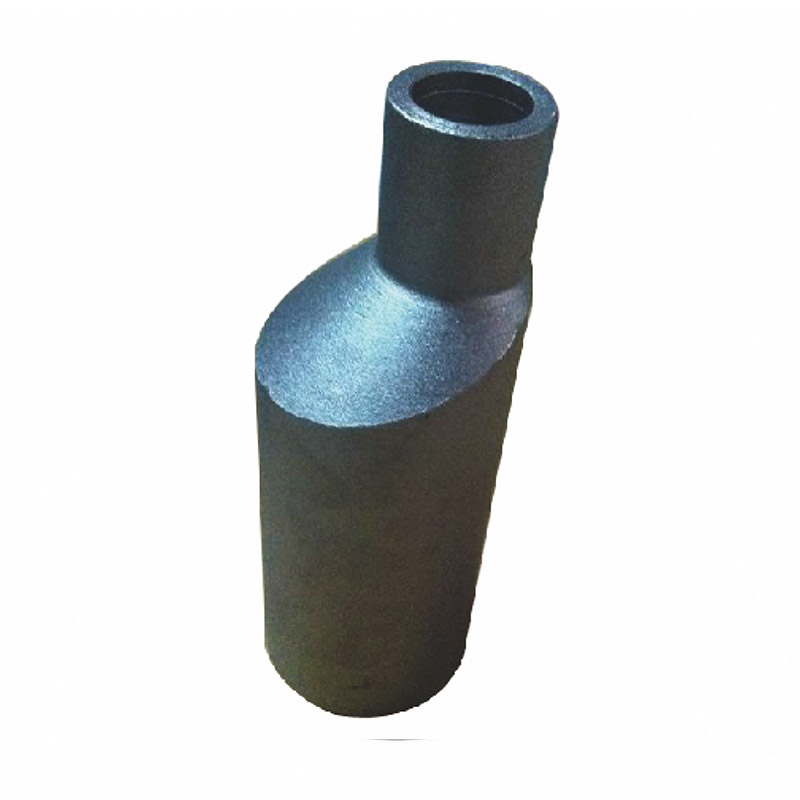
Understand the swage nipple interface
The physical review begins with a compact size transition with individually specified end configurations. A compact swage nipple should not be priced as an ordinary butt-weld reducer without comparing the end conditions and applicable product basis. The distinction to retain in the technical discussion is a swage nipple with mixed ends versus a conventional reducer. This affects the questions asked of the supplier and the information the fabricator needs. Keep the component description connected to the actual pipe or equipment arrangement rather than evaluate the part as an isolated object.
The listed product variants include Neck-down Pipe. Select the exact configuration and material requirement for the order rather than treating every variant as interchangeable. See the Swage Nipple product information for the listed product context, and confirm the exact ordered configuration in the accepted quotation and drawing. Catalogue availability and a project-approved specification are separate pieces of evidence.
Define the decision for swage nipple surface finish
Separate surface geometry, finish and visible condition. A clean-looking part may have the wrong dimensions, while a dimensionally correct part may have a damaged contact area. Identify the functional surfaces on the drawing and state the inspection requirements. Numerical finish values should be assessed by an agreed method, not inferred from a catalogue photograph or the apparent shine of the metal.
For this component, organise the review around four concrete inputs: large-end and small-end sizes; concentric or eccentric form; overall length; threaded, beveled or plain condition at each end. Their importance is specific to the interface described above. Ask the responsible owner to confirm each input or identify the document that controls it. If a requirement is absent, state what remains unknown and how it affects define which surfaces matter to fit and sealing and how their condition will be accepted; do not allow an empty field to become an assumed approval.
A decision worksheet for swage nipple surface finish
The worksheet applies this review to swage nipple. Use the project requirements for acceptance values; the entries identify what must be resolved rather than prescribe dimensional or pressure limits.
| Review item | Evidence or decision required | Owner to confirm |
|---|---|---|
| Large-end and small-end sizes | Which surfaces perform a sealing, bearing or fit function? | Engineering and supplier |
| Concentric or eccentric form | What document supplies their acceptance basis? | Drawing owner and inspector |
| Overall length | Which handling steps could damage an accepted surface? | Material reviewer and supplier |
| Threaded, beveled or plain condition at each end | Which surfaces perform a sealing, bearing or fit function? | Fabricator and engineering |
| Technical objective | A surface-condition inspection and protection plan | Buyer and engineering |
| Alternative arrangement | A swage nipple with mixed ends versus a conventional reducer | Authorised technical owner |
Work through a mixed-unit drawing package
Consider an illustrative situation involving swage nipple: the supplier and project drawings use different controlling units. The immediate response is to identify the authoritative dimensions and tolerance references and resolve converted display values before production. In this case, start with large-end and small-end sizes and check its relationship to concentric or eccentric form. That pair of inputs establishes a concrete review point instead of a general request for a better-quality product.
The useful outcome is a single accepted dimensional basis that both inspection teams can apply. For surface finish, the record should also produce a surface-condition inspection and protection plan. Identify the owner of the remaining technical decision and the document that will capture it. If an alternative affects overall length, have the engineering team review that interface before commercial acceptance. The scenario illustrates a decision process; it is not a claim that a particular failure or project result has occurred.
Questions that resolve swage nipple surface finish
Record findings before packing or assembly makes the surfaces inaccessible. Obtain authorisation for repair and repeat the affected inspection after rework. Protect accepted faces and ends against contact damage and contamination. Use photographs to illustrate identified observations, with item references that connect them to the report, rather than a folder of unlabelled images.
Three questions close this review: Which surfaces perform a sealing, bearing or fit function? What document supplies their acceptance basis? Which handling steps could damage an accepted surface? Relate the answers to large-end and small-end sizes and threaded, beveled or plain condition at each end, and retain the accepted references with the component identity.
Hand over the accepted interface to the fabricator
Transfer the controlled drawing, material identity, end requirements and approved deviations to the team that will incorporate the component into the piping. A commercial description alone usually cannot support fit-up and inspection. State which checks were completed by the supplier and which remain in the fabrication scope. If the arrangement changes, review the affected interfaces before work proceeds. Retain the accepted records with the component so traceability and technical context do not disappear when parts leave stores.
Label every connection on a port sketch
Use a labelled sketch when the component has more than one connection or when orientation could be misunderstood. Assign an identifier to each port and list its size, end type, material-related requirement and position. A sequence of sizes in a commercial description can be read differently by different parties, especially for branches and reducing arrangements. The sketch should show which end joins which pipe or equipment item. Retain the accepted port labels in the quotation and inspection records so a supplier’s confirmation can be checked against the actual arrangement.
Separate component supply from site work control
The supply package can identify the component and its technical requirements, but it cannot establish that an existing system is ready to be opened or modified. The responsible site team must verify isolation, depressurisation, permits and the other work-control prerequisites for the actual service. Keep those duties in the approved site process. The purchasing and fabrication records should provide the information that process needs without implying that a delivered part or a supplier’s certificate authorises work on operating equipment.
Define the next stage after mechanical completion
Completion of component manufacture or mechanical assembly does not automatically release the installed system for operation. Identify the inspection, testing and commissioning activities required by the project and the person responsible for release. Retain open findings with their authorised dispositions. If the system behaves unexpectedly, follow the site’s isolation and investigation process before corrective work. A clear handover distinguishes what has been completed from the remaining prerequisites and prevents one team from assuming another has accepted the whole system.
Prepare incoming checks before the shipment arrives
Receiving should know which identities, documents and functional features require verification. Provide the accepted order baseline and inspection scope before delivery, particularly when specialist equipment or technical review may be needed. Check quantity, package identity, markings and visible condition, then complete the agreed dimensional or document checks. Keep unidentified or discrepant components separate from released stock. A receiving plan closes the gap between a supplier’s shipment release and the buyer’s decision that the delivered parts may proceed to fabrication.
Retain the information needed for future replacement
Store the accepted component description, drawing revision, material identity and relevant inspection results in a retrievable project record. If the part replaces an existing item, retain the field-survey basis and the approved differences. Future maintenance teams should not need to reconstruct the interface from appearance or an old supplier email. A clear history also helps investigate recurring problems by showing which physical configuration and technical assumptions were actually in service at the time.
Prepare the swage nipple surface finish handover
Browse the listed Pipe Fittings or send drawings for customization review. Include the accepted drawing revision and a surface-condition inspection and protection plan. The quotation should identify the exact supplied configuration and remaining engineering decisions.
Check the publisher’s standards reference with the project engineer before selecting the applicable scope and edition. A reference page does not independently establish suitability or certification of the ordered component.
Use the form below to send your swage nipple inquiry with quantity, delivery destination, drawing revision and the information for swage nipple surface finish. Include large-end and small-end sizes; concentric or eccentric form; overall length; threaded, beveled or plain condition at each end and identify any requirements still awaiting engineering confirmation. This allows the proposed product and document scope to be reviewed against the same purchasing basis.
Frequently Asked Questions
What is the first step in swage nipple surface finish?
Start with large-end and small-end sizes and the actual mating arrangement. Define the review objective: define which surfaces matter to fit and sealing and how their condition will be accepted. Keep missing information visible until its responsible owner confirms it.
What evidence should the swage nipple inquiry request?
Request the accepted drawing and the records needed for a surface-condition inspection and protection plan. Link the evidence to the ordered material and item identity, and define any inspection or witness scope before manufacture.
Why does concentric or eccentric form need a separate check?
It controls a specific part of the interface: a compact size transition with individually specified end configurations. A familiar product name cannot establish every connected requirement. Record the applicable drawing or specification and obtain approval for proposed differences.
Can a swage nipple with mixed ends versus a conventional reducer be treated as equivalent?
Only after the relevant technical differences are reviewed and accepted. A compact swage nipple should not be priced as an ordinary butt-weld reducer without comparing the end conditions and applicable product basis. Keep any accepted alternative in the purchase and inspection baseline.
When is the surface finish review ready for handover?
When the defined inputs, evidence and approvals support whether each end of the compact transition has been specified independently. Retain open conditions explicitly and transfer a surface-condition inspection and protection plan to the team responsible for the next stage.